Pakistan arrests 4 from an Afghan cell over deadly Islamabad bombing

Reuters

Pakistan has arrested four members of an Afghan cell over their alleged involvement in a deadly suicide bombing in its capital Islamabad earlier this week, as tensions heighten further between the neighbouring foes.

Tuesday’s attack outside a district court was claimed by a faction of the Pakistani Taliban, known as the Tehreek-e-Taliban Pakistan (TTP). Those arrested in connection with the bombing, which killed 12 people and wounded dozens, were linked to the Pakistan Taliban, according to Islamabad.

“The network was handled and guided at every step by the … high command based in Afghanistan,” a Pakistani government statement said on Friday, adding that the cell’s alleged commander and three other members were in custody.

“Investigations are continuing, and more revelations and arrests are expected,” it said, identifying the bomber as Usman alias Qari, a resident of Nangarhar province in eastern Afghanistan.

Interior Minister Mohsin Naqvi told the Senate on Thursday that the bomber was Afghan.

Another one of the suspects, Sajid Ullah, told investigators that Saeed-ur-Rehman, a Pakistan Taliban commander, ordered the attack in Islamabad through the Telegram messaging app.

The commander, also known as Daadullah, sent Ullah photographs of the suicide bomber, an Afghanistan citizen, with orders to receive him after he crossed the border into Pakistan from Afghanistan, where he was a resident of Nangarhar province, the government said.

Daadullah, originally from Pakistan’s Bajaur region, is part of the Pakistan Taliban’s intelligence wing and currently hiding in Afghanistan, the government said.

The men were detained in a joint operation by the nation’s Intelligence Bureau and Counter-Terrorism Department, said the government, which did not detail where the arrests were made.

Islamabad has largely been spared from violence by armed groups in recent years, with the last suicide attack occurring in December 2022.

But the country is facing a resurgence of violence, which officials attribute mainly to armed groups allegedly sheltered on Afghan soil.

Naqvi on Monday claimed that Afghan nationals also took part in an assault this week on Cadet College Wana, a military-linked school in northwest Pakistan. Gunmen stormed the college and began a gun battle that lasted nearly 20 hours. Three soldiers and all the attackers were killed.

The Taliban government has not commented on Pakistan’s allegations, but has expressed “deep sorrow & condemnation” over both attacks.

Pakistan Taliban representatives did not comment on the arrests.

The accusations come amid a sharp deterioration in ties between Islamabad and Kabul, with recent attacks prompting the worst cross-border clashes in years last month.

More than 70 people were killed, including dozens of Afghan civilians, according to the United Nations.

The two countries agreed to a fragile ceasefire, but failed to finalise its details during several rounds of negotiations. Each side blamed the other for the impasse.

This week’s attacks now risk triggering renewed hostilities.

Addressing parliament on Wednesday, Prime Minister Shehbaz Sharif described the Islamabad bombing as a “horrific act of terrorism”.

“We want peace. We want Afghanistan to agree and be a partner in peace. We believe what’s good for Pakistan is good for them … but we cannot believe lies and not rein in terrorists,” he added.

Pakistan arrests 4 from an Afghan cell over deadly Islamabad bombing
read more

Afghanistan economic recovery buckles as nine in 10 families go hungry or into debt, UNDP says

By

Reuters

  • Nine in 10 Afghan families skip meals, take on debt: UNDP
  • 4.5 million returnees since 2023 strain collapsing economy
  • Women’s workforce share falls to 6%
  • UNDP warns of worsening hunger, migration
KARACHI, Nov 12 (Reuters) – Afghanistan’s economic recovery is buckling as nine in 10 households are forced to skip meals, sell belongings or take on debt to survive, the United Nations said on Wednesday, warning that mass returns are exacerbating the country’s worst crisis since the Taliban returned to power.
A United Nations Development Programme report said nearly one in 10 overseas Afghans has been forced back home, with more than 4.5 million returnees since 2023, mainly from Iran and Pakistan, swelling the population by 10%. On top of that, earthquakes, floods and drought have destroyed 8,000 homes and strained public services “beyond their limits.”

The Reuters Daily Briefing newsletter provides all the news you need to start your day. Sign up here.

QUAKES, FLOODS AND HUNGER
A survey of more than 48,000 households found that more than half of Afghanistan’s returnees have skipped medical care to buy food and 45% rely on open springs or unprotected wells for water.
Nearly 90% of returning Afghan families are in debt, owing $373 to $900, up to five times the average monthly income of $100 and nearly half of annual per-capita gross domestic product, the UNDP said.
In areas with high numbers of returnees, one teacher serves 70 to 100 students, 30% of children work and joblessness among returnees reaches 95%. The average monthly income is 6,623 Afghanis ($99.76), while rents have tripled.
The UNDP warned that without urgent support to strengthen livelihoods and services in high-return areas, overlapping crises of poverty, exclusion and migration will deepen.
It said sustaining aid is critical as donor pledges have plunged since 2021, covering only a fraction of the $3.1 billion that the UN sought for Afghanistan this year.
The Taliban government appealed for international humanitarian assistance after a deadly quake struck eastern Afghanistan in September and it has formally protested Pakistan’s mass expulsion of Afghan nationals, saying it is “deeply concerned” about their treatment.
The Ministry of Refugees and Repatriation, the Ministry of Labour and Social Affairs and a government spokesperson did not immediately respond to requests for comment.

WOMEN BEAR THE BRUNT

Participation by women in Afghanistan’s labour force has fallen to 6%, one of the lowest globally, and restrictions on movement have made it nearly impossible for women who head households to access jobs, education or healthcare.Kanni Wignaraja, UN assistant secretary-general and UNDP regional director for Asia and the Pacific, said, “In some provinces one in four households depend on women as the main breadwinner, so when women are prevented from working, families, communities, the country lose out.”
Households headed by women, accounting for as many as 26% of returnee families in some districts, face the highest risk of food insecurity and secondary displacement.
The UNDP urged Taliban authorities to allocate more resources and called on donors to lift restrictions on female aid staff.
“Cutting women out of frontline aid work means cutting off vital services for those who need them most,” Wignaraja said.
($1 = 66.3900 afghanis)

Reporting by Ariba Shahid in Karachi; Editing by Thomas Derpinghaus

Afghanistan economic recovery buckles as nine in 10 families go hungry or into debt, UNDP says
read more

Inside the CIA’s secret mission to sabotage Afghanistan’s opium

The Washington Post
November 13, 2025
In a decade-long covert operation, the U.S. spy agency dropped modified poppy seeds in an attempt to degrade the potency of Afghanistan’s billion-dollar opium crop.

In 20 years of grinding war in Afghanistan, the United States dropped a multitude of weapons from the skies: Millions of tons of ordnance. Hellfire missiles launched from Predator drones. Even the “Mother of All Bombs,” the most powerful nonnuclear bomb in existence. And, amid the more conventional projectiles, tiny poppy seeds. By the billions.

On and off for over a decade, the Central Intelligence Agency conducted an audacious highly classified program to covertly manipulate Afghanistan’s lucrative poppy crop, blanketing Afghan farmers’ fields with specially modified seeds that germinated plants containing almost none of the chemicals that are refined into heroin, The Washington Post has learned.

The program’s disclosure comes as the war on narcotics is again dominating the security agenda.

 President Donald Trump has declared war on drug cartels in the Western Hemisphere, ordering more than a dozen lethal strikes on alleged drug boats in the Caribbean and the eastern Pacific, designating cartels as terrorist groups, and moving a vast naval and air force to the region. He has also authorized the CIA to take aggressive covert action against drug traffickers and their supporters.

This latest effort, like the fight against opium in Afghanistan two decades ago, faces uncertain success, according to former officials who participated in drug wars of the past.

In Afghanistan in the early 2000s, the burgeoning opium trade was thwarting U.S. goals, as American troops engaged in a deadly struggle to defeat the Taliban, eliminate terrorist groups and stabilize the weak Western-backed government. Afghan heroin fueled corruption in President Hamid Karzai’s government and in the provinces. It helped pay for the Taliban’s weapons and equipment. And it accounted for the majority of global heroin supplies, with most of the drugs bound for Europe or the former Soviet Union.

Western allies and U.S. government agencies argued bitterly over which strategies would dent the crop without undermining rural Afghan support for Karzai. Diplomats and drug enforcement officials debated everything from aerial herbicide spraying to purchasing the entire Afghan crop and sending it overseas to be processed into medicine.

Clandestine operators, initially using British C-130 aircraft, made nighttime flights to avoid detection, dispersing billions of the specially developed seeds over swaths of Afghanistan’s extensive poppy fields, people knowledgeable about the program said. The airdrops took place over the Afghan provinces of Nangahar and Helmand, centers of poppy cultivation, they said.

As far as is known, the seeds were not genetically engineered with gene editing — a technology not widely available until more recently — but grown and selected over time to produce a plant that harbored less of the alkaloid chemicals used to produce heroin. Details of when and how the seeds were developed remain unclear. But one person said the cultivation took several years and involved crossbreeding them with natural poppy seeds.

Many aspects of the program remain classified, including its budget, how many flights took place and hard metrics on its efficacy. It was so closely held that some senior Pentagon and State Department officials involved in Afghan policy under Presidents George W. Bush and Barack Obama said they were unaware of it or had only heard rumors.

The CIA required a classified written authorization, known as a “finding,” from Bush to conduct the flights and other aspects of the operation, which fell under the spy agency’s covert action powers, two former U.S. officials said. The finding made the program legal, at least as far as the U.S. government was concerned.

A CIA spokesperson declined to comment after the agency was given a list of specifics The Post planned to report. Former spokespeople for the Bush and Obama administrations also declined to comment.

The Afghan government led by Karzai was not informed when the CIA began the program, people familiar said.

 It remains unclear whether the Afghans found out later. Karzai did not respond to a request for comment made through an aide.

The British Embassy in Washington did not respond to a request for comment.

Antonio Maria Costa, who led the U.N. Office on Drugs and Crime from 2002 to 2010, said he heard whispers about a program like the one the CIA conducted but never had any confirmation.

That plan was ultimately dismissed because poppies in Mexico are grown in small plots in hilly terrain, making them a much tougher target for aerial seeding than the flatlands of southwest Afghanistan, where the bulk of that country’s poppy crop was grown, one of the people said.

‘Out-of-the-box thinking’

The overall counternarcotics campaign in Afghanistan was an abysmal failure, Western officials acknowledge. It was doomed by interagency bickering in Washington; U.S. friction with allies including Britain, which led the international effort; intermittent support from Karzai and his government; and the entrenchment of poppy farming in rural Afghanistan’s culture and economy.

The Pentagon repeatedly resisted deeper involvement in the Afghan drug war, arguing it distracted from its mission of eliminating Islamist terrorists and fighting the Taliban.

Several former CIA and State Department officials, however, said the spy agency’s seeding program to degrade the potency of Afghanistan’s poppy crop was successful for a time. It was also tremendously expensive, chewing up the CIA Crime and Narcotics Center’s operational budget.

“There was a sense that it worked. But maybe over time, it worked less well. That the juice wasn’t worth the squeeze,” said a former U.S. official who read reports on the program. “This is actually an example of creative, out-of-the-box thinking by the agency. … It was dealing with a problem in a non-kinetic, nonmilitary way.”

Others aware of the program were less impressed by the results, saying it made no lasting dent in Afghan opium production and helped Bush administration policymakers avoid tough decisions in the war on Afghanistan’s drugs.

A 2018 report by the U.S. Special Inspector General for Afghanistan Reconstruction concluded: “No counter-drug program undertaken by the United States, its coalition partners, or the Afghan government resulted in lasting reductions in poppy cultivation or opium production.” SIGAR was not privy to the covert CIA operation.

Beginning in 2001, the United States spent about $9 billion to try to stem the tide of heroin flowing out of Afghanistan. Afghanistan’s poppy crop declined notably from 2007 to 2011, before rising again and skyrocketing after 2016, the SIGAR report said, citing U.N. and CIA data. The Taliban profited off the heroin pipeline for years, although U.S. officials clashed over how central it was to their finances.

The war over spraying

The United States has spent decades fighting illegal narcotics globally, interdicting shipments, penetrating trafficking networks, extraditing drug lords. Trump has deemed the problem a national security threat on par with international terrorism, and he has authorized the use of military force to allow strikes on alleged traffickers at sea that many former officials and legal experts say violate international law. He has used economic power, too, suggesting he would lower tariffs on China if it curbs the export of precursor chemicals used to make the deadly synthetic drug fentanyl.

With plants grown for their narcotics, Washington has tried multiple approaches. In Colombia, U.S. funds paid for widespread aerial spraying of the herbicide glyphosate over plantations of coca, used to make cocaine. U.S. officials claimed the program was successful in reducing the crop. In Peru, American drug-control agencies tested a pellet containing herbicide, but it was never dropped, a former U.S. official said.

In Afghanistan, the State Department’s International Narcotics and Law Enforcement bureau argued for aggressive aerial spraying of herbicide based on the Colombia model.osed spraying, arguing it would hurt efforts to win over the Afghan population from the Taliban. So did top Afghan officials, who said the chemicals could poison the groundwater in their heavily agricultural society.

U.S. Ambassador to Afghanistan William Wood, previously ambassador to Colombia, was so adamant about the spraying that he offered to sit, clad in a Speedo bathing suit, in a vat of glyphosate in Kabul’s Massoud Circle to prove its safety, three former senior officials said. Wood became known as “Chemical Bill.”

U.S. officials were so confident the Afghan government would eventually approve the herbicide plan that they moved glyphosate and equipment for ground-based spraying into Kabul, the SIGAR report said. But the Afghan cabinet rejected the idea in January 2007. No significant herbicide spraying of Afghan poppies ever took place, according to multiple former U.S. officials.

As the deadlock over spraying stretched on, the Bush administration explored more unconventional control strategies.

“They were constantly looking for some sort of silver bullet,” said former journalist Gretchen Peters, who wrote a 2009 book on ties between the Taliban and drug traffickers.

Some proposals were exotic. State Department officials debated using mycotoxins, poisons produced by fungi, two former officials said. Beginning in 1998, the United Nations and the United States had funded research at a former Soviet laboratory in Uzbekistan on a fungus that infects and kills opium poppy plants.

“We could not use a pathogen that was not safe. That’s biological warfare,” said John Walters, Bush’s director of the Office of National Drug Control Policy. Walters, now president of the Hudson Institute, declined to comment on the CIA poppy seed program.

A grim harvest

The covert CIA program went forward even as the debate over herbicide spraying raged, with airdrops beginning in 2004. It involved careful timing and elaborate orchestration, and it was preceded by years of secret agricultural research. The seeds had been grown at a site in the United States, crossed with normal poppy plants to test the outcome, and then produced in mass quantities, one person said.

The seeds had to be dropped in late autumn, when Afghan farmers were planting their own seeds. You had to “take care to make sure it didn’t stand out too much,” so that an Afghan poppy farmer would notice nothing amiss, but also “to ensure over time it did become the dominant crop,” or strain of poppy plant, said a former senior U.S. official familiar with the program’s beginnings.

The American plants not only contained virtually no morphine, but they were bred to sprout early and produce especially vivacious red flowers, making them attractive to Afghan farmers who, the CIA hoped, would harvest and replant their seeds.

There was also a hope, several officials said, that the farmers would keep and sell some of the seeds, propagating them through the country’s brisk agricultural markets.

Areas subjected to airdrops were targeted again in subsequent years with the aim of making the modified plants the dominant strain of opium poppy, the former senior U.S. official said.

The program’s progress was assessed in multiple ways, two people familiar said. Aerial surveillance and satellite imagery showed farmers ridding their fields of unproductive plants. Electronic eavesdropping picked up conversations among opium growers. There were even occasional on-the-ground checks at farmers’ fields, with U.S. officials disguising the true purpose of their visit.

The CIA operation continued after Obama took office in 2009, and it was discussed at White House meetings of the Deputies Committee, a group of high-level national security officials from across government.

The program, which had always been expensive, ended because of money woes, numerous people said.

 The CIA counternarcotics center’s budget was being squeezed, and the spy agency tried to convince other agencies — the Pentagon, the Drug Enforcement Administration, the State Department — to fund the poppy seed drops.

In its final years, the State Department’s International Narcotics and Law Enforcement bureau picked up the cost of aircraft fuel, maintenance and repair, but it never conducted airdrops, those familiar with the program said.

For nearly two decades, there had been persistent rumors among Afghan farmers that foreigners had fouled their poppy crop, either by covertly spraying it, adulterating the fertilizer they used or deliberately spreading disease. Those rumors, it turned out, were not entirely unfounded.

When the U.S. military — and the CIA — finally withdrew from Afghanistan in chaotic fashion in 2021, the opium trade represented between 9 and 14 percent of Afghanistan’s gross domestic product, or between $1.8 billion and $2.7 billion, according to the U.N. Office on Drugs and Crime.

After regaining control of the country, the Taliban banned opium production. By 2023, cultivation had plummeted by 95 percent. But the crop rebounded last year by 19 percent, the U.N. said, and shifted to the country’s northeast, away from the traditional poppy growing areas once targeted by the CIA.

Inside the CIA’s secret mission to sabotage Afghanistan’s opium
read more

The Islamic Emirate and the (Other) Authoritarians: Afghanistan-Central Asian relations since 2021

Since the Taliban’s return to power, they have invested heavily in building diplomatic relationships with the five states of Central Asia — Kazakhstan, Kyrgyzstan, Tajikistan, Turkmenistan and Uzbekistan. Under Republic-era governments, Central Asian governments – avowedly secular in outlook since they became independent nations – frequently sounded warnings over the threat that Islamic extremism posed to their own security and to the security of the wider world. Cracking down on Islamist opposition at home has been a consistent priority for the states of Central Asia. And yet they now appear interested in drawing closer to the Emirate. They have made diplomatic visits and hosted Emirate officials in return, announced numerous regional trade deals and promoted massive regional projects to deliver energy and transportation infrastructure. As AAN guest author Letty Phillips* explores, this suggests that pragmatic economic and regional interests have trumped earlier concerns. 
You can preview the report online and download it by clicking here or the download button below

The second Emirate might be uninterested in accommodating the demands of Western powers, but it is not isolationist. In fact, establishing relationships with the five Central Asian states has become a key focus of the IEA’s foreign policy. Al-Emarah News, the official mouthpiece of the Emirate, describes this strategy as a “new and distinct era” in Afghanistan’s foreign relations, grounded in cooperation with neighbouring states.

This report examines how these interactions have developed over time and the pragmatism that now defines the relationship between the Emirate and its northern neighbours. Although none of the Central Asian states have formally recognised the Emirate, all have established practical channels for diplomacy, trade, and cooperation. Central Asian states, which were once cautious of the threat of Islamist extremism, are now opting for engagement, driven by concerns over stability, security and regional connectivity.

Drawing on open-source data and official statements, this report analyses the political, security, and economic aspects of these relationships. It reviews the expansion of cross-border trade as well as the progress – and limitations – of large infrastructure projects such as TAPI, CASA-1000 and regional railway links. It also considers illicit and informal trade networks and examines the role that customs revenues play in sustaining the Emirate.

Finally, the report explores how these regional connections contribute to the Emirate’s resilience. It finds that Afghanistan’s engagement with Central Asian states is indicative of a broader trend of cooperation among authoritarian states, in which shared interests in maintaining regime stability and ensuring non-interference outweigh ideological differences. These dynamics, the report argues, are central to understanding the future trajectory of Afghanistan’s foreign relations and internal governance under the current regime. These dynamics, the report argues, are crucial for understanding the future direction of Afghanistan’s foreign relations and its internal governance under the current regime.

Edited by Jelena Bjelica and Rachel Reid

*Letty Phillips is a researcher and analyst who worked in Afghanistan from 2021 to 2024.

You can preview the report online and download it by clicking here or the download button below


The Islamic Emirate and the (Other) Authoritarians: Afghanistan-Central Asian relations since 2021
read more

Pakistan ‘in a State of War’ After Explosion Kills 12 in Capital

An attack on a courthouse in Islamabad was the first major assault to hit Islamabad in more than a decade.

At least 12 people were killed and 27 others wounded on Tuesday in an attack on Pakistan’s capital, Islamabad, according to officials. It was the first major attack to hit the city in more than a decade and comes as Pakistan is facing a resurgence of assaults by several insurgencies.

An attacker detonated a bomb near the entrance of a courthouse around lunchtime, according to the Pakistani interior minister, Mohsin Naqvi. He said the attacker had tried but failed to enter the court complex, with hundreds of lawyers, defendants and judges inside. The attacker died at the scene, the authorities said.

The attack has raised alarm that insurgent violence, confined in recent years to Pakistan’s western regions, has reached its urban centers. Islamabad, a quiet, leafy city of a million people, is the seat of political power and home to embassies and the headquarters of many international organizations.

The Pakistani defense minister, Khawaja Asif, said Pakistan was “in a state of war.”

“Anyone who thinks that the Pakistan Army is fighting this war in the Afghan-Pakistan border region and the remote areas of Balochistan should take today’s suicide attack at the Islamabad district courts as a wake-up call: This is a war for all of Pakistan,” Mr. Asif said on social media.

“Bomb blasts have moved from the frontier back into Pakistan’s cities,” he said in a text message. “With its guarded checkpoints into the city and proximity to army headquarters, Islamabad is the ultimate litmus test. If Islamabad isn’t safe, nowhere is.”

A group affiliated with the Pakistani Taliban claimed responsibility for the attack, according to The Khorasan Diary, a digital platform in Islamabad that monitors militant activity in the region. Through a spokesman, the Pakistani Taliban, known as Tehreek-e-Taliban Pakistan or T.T.P., denied any connection to the blast.

A similar situation occurred in 2023 when a suicide bombing killed more than 100 people, mostly police officers, at a mosque in the northwestern city of Peshawar. A group linked to the Pakistani Taliban claimed responsibility for the attack, but the T.T.P. distanced itself, saying it avoided targeting civilians.

Without providing evidence, Prime Minister Shehbaz Sharif of Pakistan accused India in a social media post of having instigated Tuesday’s courthouse attack and Afghanistan of harboring the attackers

In a statement, a spokesman for India’s foreign ministry, Randhir Jaiswal, rejected that claim. “India unequivocally rejects the baseless and unfounded allegations,” he said.

The Pakistani Taliban have killed hundreds of Pakistani police officers and security personnel over the past several years, but the group has typically attacked police checkpoints and military outposts.

The last major attack in Islamabad attributed to the Pakistani Taliban occurred in 2014, when militants killed 11 people in an assault on another courthouse.

Tuesday’s courthouse attack was the second in less than two days in Pakistan.

Khalid Mandokhel, a lawyer who was in the court’s cafeteria at the time, said that the blast was so strong that it threw him off his chair.

“There was smoke everywhere and complete chaos afterward,” he said. “If it had happened inside the courtroom, the number of casualties could have been much higher.”

By Tuesday evening, Pakistani soldiers had been fighting for more than a day against militants they said belonged to the T.T.P. and who stormed a military college in the country’s west on Monday. More than 350 people had been evacuated from the site but 300 others were still stranded, according to the Pakistani army.

The T.T.P. also denied being behind that attack.

Attacks by the Pakistani Taliban have been at the center of tensions between Pakistan and neighboring Afghanistan, which have escalated to cross-border military clashes and Pakistani airstrikes on Afghanistan’s capital and its second-largest city in recent weeks.

The Pakistani government has accused the Taliban administration in Afghanistan of funding and providing a safe haven for the Pakistani Taliban’s leaders and militants, who then conduct attacks on the other side of the border.

The Afghan Taliban, in power since 2021, have denied backing the Pakistani Taliban and say the two entities are officially distinct. Still, the groups share longstanding and deep ties. They fought together against Pakistani and NATO forces in Afghanistan and its border areas before the Taliban came back to power.

Recent talks mediated by the United Arab Emirates and Turkey collapsed after Pakistan accused Afghanistan of refusing to commit to stop backing the Pakistani Taliban.

“Pakistan’s expectation was that with passage of time, Taliban regime would be able to control these attacks and take concrete actions against the T.T.P. elements present on Afghan soil,” Pakistan’s foreign ministry said in a statement on Sunday after the latest rounds of talks collapsed.

“The response from the Taliban regime has only been hollow promises and inaction,” it added.

Through a spokesman, Afghanistan condemned the attacks in Islamabad and on the military college.

Elian Peltier is an international correspondent for The Times, covering Afghanistan and Pakistan.

Pakistan ‘in a State of War’ After Explosion Kills 12 in Capital
read more

Shehbaz Sharif: Cooperation with Afghanistan Depends on Action Against TTP

Meanwhile, criticism of Pakistan’s policies is growing within the country.

A few days after the third round of talks between Kabul and Islamabad ended without results, officials from both countries continue to present proposals to resolve the issue.

Pakistani Prime Minister Shehbaz Sharif stated that his country is ready to cooperate if the Islamic Emirate of Afghanistan takes effective action against Tehrik-i-Taliban Pakistan (TTP) and other groups. He added that a stable Afghanistan is key to regional prosperity.

“Afghanistan must understand that supporting the TTP will not ensure peace, and if the Afghan government takes effective steps against the TTP and other groups, Pakistan is ready to cooperate,” Sharif said.

On the other side, Mohammad Naeem, Deputy Minister for Finance and Administration at Afghanistan’s Ministry of Foreign Affairs, told foreign ambassadors and diplomats in Kabul that the Pakistani delegation’s demands during the talks were “unrealistic and impractical,” which hindered progress.

He added that the Islamic Emirate of Afghanistan remains in contact with mediating countries and is ready to engage diplomatically whenever the Pakistani side approaches with rationality and goodwill.

Zia Ahmad Takal, Head of Public Relations at the Foreign Ministry, stated: “Blaming all of Pakistan’s security problems on Afghanistan suggests that certain circles within Pakistan’s military are not interested in finding negotiated solutions to bilateral issues.”

Meanwhile, criticism of Pakistan’s policies is growing within the country.

Mahmood Khan Achakzai, leader of the Pashtunkhwa Milli Awami Party, accused the current Pakistani leadership of following in the footsteps of British colonial policies. He claimed Pakistan has three demands from Afghanistan:

Recognition of the hypothetical Durand Line
Acceptance of Pakistan’s influence over Kabul’s foreign policy
Governing Afghanistan’s central administration according to Islamabad’s directives

He criticized Pakistan’s rulers as “ignorant” and “incapable,” saying they lack the art of cooperation and coexistence.

Pakistan’s Defense Minister Khawaja Asif recently remarked that negotiations with Kabul cannot succeed and described his country as being in a state of war.

These developments come as hopes for the resumption of talks remain, with Turkish President Recep Tayyip Erdoğan recently announcing that a high-level delegation will be sent to Pakistan to help mediate the issues between Kabul and Islamabad.

Shehbaz Sharif: Cooperation with Afghanistan Depends on Action Against TTP
read more

Bomber targets Islamabad court, killing 12 people, as Pakistan condemns “cowardly suicide attack”

Islamabad, Pakistan — A suicide bombing outside district court buildings in a residential area of the Pakistani capital killed at least a dozen people on Tuesday, Pakistan’s interior minister said.
“At 12:39 p.m. (0239 Eastern), a suicide attack was carried out at the Kachehri (district courts) … so far 12 people have been martyred and around 27 are wounded,” Interior Minister Mohsin Naqvi told reporters at the scene of the incident.

“As I entered the court building, a huge blast occurred. I thought the entire judiciary building would collapse on me,” Zahid Khan, who works as an assistant to a lawyer at the court, told CBS News’ Sami Yousafzai. “When I went upstairs, I saw people lying on the ground around the fire … Just three minutes earlier, I had been at that exact spot while parking my bike.”

“I saw many people lying injured, with blood on the road,” he said.

He noted the timing of the attack, coming a week after the Pakistani Taliban, or TTP, along with some elements of the Afghan Taliban issued threats against Pakistani cities.Pakistani later issued a statement, saying te government “strongly condemns the cowardly suicide attack in Islamabad that claimed 12 innocent lives, including members of the judiciary.”

“The Tehreek-e-Taliban Pakistan (TTP) has claimed responsibility for this reprehensible act, aimed at spreading fear and undermining Pakistan’s justice system,” the statement said.

The alleged suicide attack in Islamabad also came a day after militants stormed a military college in Wana, in Pakistan’s South Waziristan region. Two militants were killed in the assault, officials said.

The TTP, in statements shared with CBS News, denied involvement in both the Islamabad and Wana attacks, but Pakistani security officials and analysts said the group was likely responsible for both.

Last week, a TTP source told CBS News the group considers its campaign against Pakistan’s government a “holy struggle,” and they warned that it has “human and technical resources in all major cities” — and plans to stage new, large-scale attacks.

The attacker tried on Tuesday to “enter the court premises but, failing to do so, targeted a police vehicle,” Interior Minister Mohsin Naqvi told journalists. He alleged that the attack was “carried out by Indian-backed elements and Afghan Taliban proxies” linked to the TTP, but he said authorities were “looking into all aspects” of the explosion.

In a statement issued later Tuesday, Indian government spokesperson Shri Randhir Jaiswal said the country “unequivocally rejects the baseless and unfounded allegations” by Pakistan, calling it “a predictable tactic by Pakistan to concoct false narratives against India.”

Pakistan’s Minister of Defense Khawaja Asif blamed Afghanistan’s Taliban rulers for allowing the attack to take place on Tuesday. The neighbors have long had tense relations, with Islamabad accusing Afghan authorities of allowing the TTP to operate within Afghanistan’s borders.

“Kabul’s rulers can stop terrorism in Pakistan, but today’s suicide attack at the Islamabad district courts proves this is a nationwide war,” Asif said in a statement Tuesday. “Anyone who believes the Pakistan Army is only fighting on the Afghan-Pakistan border and in remote Balochistan should take this attack as a wake-up call. This is a war for all of Pakistan.”

Pakistan and Afghanistan held two rounds of talks aimed at addressing mutual security concerns in October and earlier this month, but both ended without any solid agreement between the neighbors, and Asif said in his statement after the Tuesday explosion in Islamabad that, “in this environment, it would be futile to place greater hope in successful negotiations with the rulers in Kabul.”

One member of the Afghan Taliban’s negotiating team told CBS News on Tuesday that the talks had failed due to Pakistan’s unrealistic demands for the Taliban to restrain the TTP.

“It was far beyond our control and capacity,” the Afghan Taliban official said, accusing Pakistan of failing to effectively counter the TTP itself.

The Islamabad explosion also came a day after a large blast rocked the Red Fort, a major tourist destination in neighboring India’s capital city New Delhi.

That explosion killed eight people, and India’s Prime Minister Narendra Modi said Tuesday that the “conspirators” behind the blast “will not be spared,” vowing that “all those responsible will be brought to justice.”

Pakistan and India are nuclear armed neighbors that have clashed often, usually over the disputed Kashmir border region. Dozens of people were killed in May when India launched military strikes in Pakistan-administered Kashmir and deep inside Pakistan, saying it was targeting militants in the country that had carried out multiple attacks on India.

Bomber targets Islamabad court, killing 12 people, as Pakistan condemns “cowardly suicide attack”
read more

Pak Taliban group claims Islamabad bombing, Sharif blames India & Afghanistan

By

Nov 11, 2025

Even after the terror group Tehreek-e-Taliban Pakistan (TTP) claimed responsibility for a suicide bombing that 12 people in Islamabad on Tuesday, Pak PM Shehbaz Sharif has sought to pin it on India.

He condemned the perpetrators, calling them “Indian-sponsored terrorist proxies”. “These attacks are a continuation of India’s state-sponsored terrorism aimed at destabilizing Pakistan,” he added, as per a report by his country’s news agency Associated Press of Pakistan (APP).

India has not reacted yet to the allegations, as of 7:30 pm, November 11, but has in the past rubbished such assertions by Pakistan’a.

Sharif, without citing evidence, also claimed the same network operating from Afghan territory had attacked children in Wana. He was referring to the Monday attack outside a Cadet College in Wana, Khyber Pakhtunkhwa, bordering Afghanistan in which three people died. According to security officials, this attack too was carried out by the banned Tehreek-e-Taliban Pakistan (TTP).

Addressing the Inter-Parliamentary Speakers’ Conference in Islamabad, Shehbaz Sharif said, “Afghanistan must understand that lasting peace can only be realised by reining in TTP and other terrorist groups operating from Afghan territory.”

Pak Taliban group claims Islamabad bombing, Sharif blames India & Afghanistan
read more

Afghans call for Taliban government to help repair Blue Mosque after quake

By

Reuters
  • Powerful earthquake killed at least 27 people
  • Quake also damaged historic Blue Mosque in Mazar-i-Sharif
  • Tiles have been broken off and minarets cracked
MAZAR-I-SHARIF, Afghanistan, Nov 5 (Reuters) – Some residents in northern Afghanistan called on Wednesday for the Taliban government to help rebuild and restore a historic mosque in Mazar-i-Sharif that was damaged in a powerful earthquake.
Monday’s magnitude 6.3 quake struck near the city, killing at least 27 people, injuring almost 1,000 and destroying hundreds of houses, weeks before the onset of Afghanistan’s harsh winter.

The Reuters Daily Briefing newsletter provides all the news you need to start your day. Sign up here.

The Hazrat Ali Shrine, also known as the Blue Mosque, is considered one of the holiest sites in Afghanistan and is believed to be the burial site of the cousin and son-in-law of the Prophet Mohammad.

TILES BROKE OFF, MINARETS CRACKED

The current structure, with its vibrant blue tiles and intricate mosaics, was built in the 15th century.
It suffered visible damage following the quake, with tiles broken off and cracked minarets, a Reuters team that visited the site on Wednesday said.
Sayed Mohammad Hussain, a university lecturer in Mazar-i-Sharif, said the mosque was one of the city’s preeminent historical symbols and a popular local attraction.
“Considering the parts that have been damaged, we call for serious attention from… the government to help rebuild and restore it,” he said.
The mosque had suffered “serious damage”, said Sayed Bashir Rasaa, another local resident.
“In my 55 years of life, I have never seen such an earthquake,” he said.
No repair work has begun and the mosque remains open to the public although the Taliban has pledged to begin repairs.
“The Ministry’s technical team will soon take the necessary steps to assess the extent of the damage and begin restoration efforts,” a spokesperson for the Ministry of Information and Culture said after the quake.
The hardline Taliban outraged the world in 2001 when it last ruled Afghanistan by ordering the destruction of two giant Buddhist statues known as the Buddhas of Bamiyan, calling them idolatrous.
Since returning to power in 2021, it has said it takes cultural preservation seriously and has pledged to restore sites including at Bamiyan.
The cultural landscape and archaeological remains of the Bamiyan Valley remain on the U.N. culture and education agency UNESCO’s list of endangered World Heritage monuments.
Afghans call for Taliban government to help repair Blue Mosque after quake
read more

A New Accountability Mechanism for Afghanistan: What the IIM-A can (and cannot) do

The United Nations is creating an Independent Investigative Mechanism for Afghanistan (IIM-A) which will collect evidence of war crimes and other grave violations of international law. The new UN body will investigate, preserve and analyse evidence, creating case-ready files that prosecutors can use in multiple jurisdictions. Its mandate is not time-limited, covering past, ongoing and future international crimes and serious violations committed within Afghanistan’s territory. The move follows years of campaigning by victims’ and human rights groups and comes despite the wariness of countries whose militaries fought in Afghanistan and the current UN liquidity crisis. In this report, Ehsan Qaane explains what the mechanism will do, its potential contribution to accountability in Afghanistan and its limitations and risks.

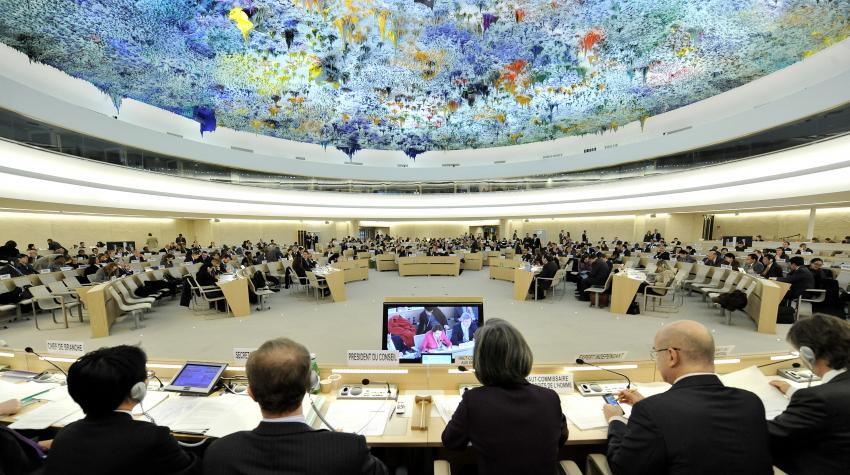
Delegates attend a session of the United Nations Human Rights Council at the Palais des Nations in Geneva. Photo: UN Photo/Jean-Marc Ferré

On 6 October 2025, the United Nations Human Rights Council (HRC) adopted a resolution to establish the Independent Investigative Mechanism for Afghanistan (IIM-A). For those campaigning for this body, this is a huge win, which has at times looked uncertain amid a challenging global climate for human rights and fluctuating international attention to the ongoing human rights crisis in Afghanistan. This UN body will be tasked with collecting and preserving evidence of serious human rights violations and international crimes. The IIM-A will not act as a court or tribunal, but will function as a professional investigation hub, collecting, storing and analysing evidence and preparing files that can support future prosecutions in national, regional or international courts. It will complement and cooperate with other UN and international bodies, but it is an independent body.
The IIM-A follows similar mechanisms for Syria and Myanmar, each with slight variations in mandate and oversight.[1] These mechanisms are part of a trend towards supporting or incentivising national and international bodies to investigate and prosecute international crimes. Growing numbers of countries have enacted universal jurisdiction laws, allowing them to prosecute crimes wherever they have been committed, based on the principle that some crimes are so egregious they transcend borders. However, most national investigative bodies tend to have very limited resources, including investigators, country specialists and access to evidence. The International Criminal Court is also hampered by limited resources. By creating a kind of ‘one-stop shop’ for evidence, expertise and legal analysis, these UN mechanisms can boost the capacity of prosecutors to carry out investigations.

Given the sheer number of crimes, perpetrators and victims in Afghanistan, the hope is that the IIM-A can make it far easier for prosecutors – either at the ICC or anywhere in the world with jurisdiction – to take on the challenging work of prosecuting war crimes and other grave violations.

This report will examine the mandate of the new mechanism, explain what difference it might make and why civil society fought so hard for it. It will then look at some areas of ambiguity and identify potential pitfalls.

Mandate and scope of the IIM-A

The core purpose of the IIM-A, as set out in paragraph 25 of the Human Rights Council (HRC) resolution, is:

[T]o collect, consolidate, preserve and analyse evidence of international crimes and the most serious violations of international law, including those that may also amount to violations and abuses of international human rights law, committed in Afghanistan, including against women and girls, and to prepare files in order to facilitate and expedite fair and independent criminal proceedings, in accordance with international law standards, in national, regional or international courts or tribunals that have or may in the future have jurisdiction over these crimes, in accordance with international law[.] 

The mandate of the IIM-A is very broad, encompassing a wide range of crimes, an open-ended temporal scope, a geographic scope limited to crimes committed in Afghanistan, in addition to a requirement to identify the perpetrators “with a view to ensuring that they are held accountable” (para 26(e)). Each of these areas is briefly explained below. (For the IIM-A’s entire mandate, see paragraphs 25 to 32 of the HRC Resolution 60/9.)

Crimes covered

The IIM-A covers international crimes, which are the most egregious conflict-related crimes of genocide, war crimes, crimes against humanity and the crime of aggression. Its mandate also covers “the most serious violations of international law, including those that may also amount to violations and abuses of international human rights law” (para 25), which apply in times of war and peace, such as torture, discrimination and other breaches of civil and political rights.[2] When outlining this broad scope, the operative paragraph of the resolution notes international human rights law “including against women and girls,” which clearly indicates that the ongoing persecution of women and girls by the Islamic Emirate of Afghanistan (IEA) is of concern.

Temporal scope

Importantly, the mandate is not tied to a specific timeframe, but covers past, ongoing and future crimes and violations. The issue of time limits is politically charged, given the decades and cyclical nature of war and abuse in Afghanistan, as well as the time limitations of other mechanisms. The ICC can only investigate crimes committed after Afghanistan joined the Rome Statute in May 2003 and the prosecutor has placed his emphasis on ongoing crimes, de facto limiting his investigation to the post-2021 situation for now at least (AAN). Similarly, the mandate of the UN Special Rapporteur primarily focuses on ongoing violations and abuses (AAN), as does a potential case before the International Court of Justice (ICJ), focused on breaches of the Convention on the Elimination of All Forms of Discrimination against Women (CEDAW) by the IEA after August 2021 (AAN).

This leaves huge numbers of victims with no real avenue to justice. In theory, the IIM-A is authorised to examine the full historical record. However, the colossal number of potential crimes and perpetrators over decades of war and egregious human rights violations in Afghanistan will present a dizzying challenge to the mechanism. Combined with resource constraints, the IIM-A’s case selection policies will be critical (more on this later).

Place of conduct 

The mechanism will have jurisdiction over crimes committed anywhere in Afghanistan, regardless of the specific province or district. This country-wide scope could enable the IIM-A to track patterns across provinces and years, drawing stronger connections between evidence, crimes and perpetrators. It may also allow for a more even-handed coverage of harms suffered by affected individuals and/or communities. However, crimes committed entirely outside the country but linked to the Afghanistan conflict are likely excluded, such as the alleged rendition and torture by the United States Central Intelligence Agency (CIA) to multiple destinations (AAN).

Perpetrators

The IIM-A is mandated to investigate crimes attributed to both “individuals and entities.”  So far, only the ICC has a mandate to look at individual perpetrators, something that will also be vital for universal jurisdiction cases. This means the IIM-A can focus on individuals with command responsibility within armed groups, as well as current and former Afghan authorities and military forces, in relation to multiple crimes. In the context of the ICC investigation, for example, this might mean identifying other individuals within the IEA who might be responsible for the crime against humanity of gender persecution, beyond the two whom the court has already issued indictments for (AAN piece on those indictments).

In addition, the inclusion of ‘entities’ means it can also look at the groups themselves (para 26(e)). This could encompass a very long list, from the Taliban as an insurgency and an authority; previous Afghan authorities or entities within authorities (such as intelligence agencies); the Islamic State for Khorasan Province (ISKP); various former mujahedin groups, multiple foreign forces over several decades, from the Soviets to the Republic era. Granting the IIM-A authority to investigate entities may lead to the exploration of corporate accountability, though this is still an emerging concept in international law, and many countries, including those with UJ laws, have yet to codify it.[3]

Overall, this broad multidimensional scope mirrors the longstanding recommendations of Civil Society Organisations (CSOs) for a comprehensive investigative mechanism. Fereshta Abbasi, Human Rights Watch’s Afghanistan Researcher, told AAN in October 2025 that it kept “a high moral ground” by not excluding any victims or creating a hierarchy among them. However, it remains to be seen how well the mechanism will deliver this broad scope.

Why the mechanism matters for Afghanistan

The IIM-A can support existing and future accountability pathways for Afghanistan, particularly in the long term, by sharing evidence, analysis and case files with prosecutors in multiple jurisdictions – from the ICC to national courts and universal jurisdiction efforts – as well as in legal proceedings of a non-criminal nature. Each will be considered in turn.

Unlocking more universal jurisdiction cases

The IIM-A could be highly impactful in the context of universal jurisdiction, based on the example of similar UN mechanisms that have already demonstrated their ability to contribute to UJ cases. Most European countries, as well as Canada, Australia, New Zealand, South Africa, Senegal and Argentina have UJ laws, though not all apply universal jurisdiction in practice (see Trial International’s map tracking UJ laws and use).

The Syria International, Impartial and Independent Mechanism (IIIM) has become a clearinghouse for national war crimes units, receiving hundreds of formal requests for assistance from multiple jurisdictions and contributing material to multiple domestic prosecutions. Its 2024 report states that it has supported 215 investigations, including publicly disclosed contributions to justice processes in Germany, France, Belgium, the Netherlands, Sweden, the United States (US), Slovakia and the ICJ.[4]

Afghanistan has already featured in UJ practice in Europe, though the mixed outcomes – particularly weaknesses in evidentiary files – demonstrate why the IIM-A may be helpful. Dutch prosecutors have investigated six Afghan war crimes cases; only two resulted in final convictions for torture as a war crime. The Prosecutor closed two cases at the investigation stage due to inadmissible evidence or the death of one suspect. Judges acquitted two accused individuals due to insufficient evidence to prove their personal responsibility or command liability (AAN).[5] In the United Kingdom, one Afghan individual is currently under investigation for a murder in 2015; details have not been published yet (Trial International, p 108).

The IIM-A can help turn these kinds of uneven results into a steadier pipeline of viable UJ prosecutions by collecting and preserving evidence before it is destroyed.

The International Criminal Court (ICC)

The ICC investigation into Afghanistan could benefit hugely from the IIM-A. The Office of the Prosecutor (OTP) of the ICC is currently investigating alleged crimes against the Taliban and ISKP. It has already issued arrest warrants against the Emirate’s Supreme Leader, Mullah Hibatullah Akhundzada and its Chief Justice, Abdul Hakim Haqqani, for crimes against humanity of gender persecution in Afghanistan. The Prosecutor has said that he hoped more warrants would follow.

The investigation scope is potentially broad, but in practice, it was limited to the Taliban and Islamic State by the OTP due to resource restrictions as well as the “gravity, scale and continuing nature” of their alleged crimes (ICC). The OTP has been criticised for this approach, given wider accusations of selective justice as well as the risk that it creates a hierarchy and unnecessary competition among survivors (AAN).

The IIM-A could share evidence and analytical products in ways that meet the OTP’s evidentiary and analytical requirements and add immediate value to the ICC’s current line of investigation into the Taliban and ISKP.[6] It could also help address the apparent resource constraint that led it to deprioritise other aspects of the Afghanistan investigation by expanding its investigations to include additional perpetrators and examining cases before 2021.

The International Court of Justice (ICJ)

The IIM-A is also expected to cooperate with any future cases heard by the International Court of Justice relating to international human rights law. A case against Afghanistan is expected: in September 2024, four countries, Australia, Canada, Germany and the Netherlands, announced that if the Taliban did not stop violating the Convention on the Elimination of All Forms of Discrimination Against Women (CEDAW), they would initiate a case against Afghanistan before the ICJ (AAN). Since the ICJ is a state-to-state legal proceeding, any support from the IIM-A to the ICJ’s potential process would go through the state parties to the dispute.

Domestic accountability for military crimes abroad

Countries that deployed troops to Afghanistan under the Republic are expected to investigate and prosecute crimes by their own nationals that took place on Afghan soil. Some countries have already conducted military police investigations or launched public inquiries, but the results remain limited. For example, in Australia, an inquiry into alleged war crimes by the Australian special forces did result in a criminal investigation, but only one former soldier has been charged with the war crime of murder so far (Associated Press).[7] There are concerns that the longer the time between the crime and the investigation, the lower the likelihood of multiple prosecutions (ABC). In the UK, military police investigations have been criticised for their slow start, premature closure, failures to explore all evidentiary avenues and political interference (BBC, Guardian). An independent inquiry currently underway may recommend further investigations, but prospects for justice for the victims of crimes that took place two decades ago seem slim.[8]

The IIM-A can accelerate cases in domestic courts in two ways. First, its existence may encourage states to step up their own investigations into allegations against their forces before the IIM-A gets involved. Second, the IIM-A can contribute to ongoing or future domestic investigations or inquiries by collecting, analysing and sharing evidence. National prosecutorial teams with limited or no access to Afghanistan could benefit from the IIM-A’s greater flexibility to work with civil society documentation efforts, combining the experience and access of CSOs with the IIM-A’s technical capacity.

Transitional justice

The open-ended time frame is important given Afghanistan’s prolonged history of systematic and systemic violence and crime through multiple eras of conflict. While current circumstances in Afghanistan do not allow for the implementation of a transitional justice programme, when this changes, the country will need a foundation of evidence and analysis (see AAN’s report on Afghanistan’s transitional justice process). The IIM-A’s work could make a significant contribution to future transitional justice efforts, particularly by preserving evidence archives. This could be invaluable for eventual national reconciliation and institutional reform. Abbasi told AAN, “When an opportunity for transitional justice arises, the IIM-A’s authentic records will be readily available, enabling Afghanistan to act quickly and not miss another crucial opportunity.” Although much of the IIM-A’s work will not be publicly released (unlike the more public-facing reporting of the UNSR or UNAMA, for example), it could share evidence and information with future Afghan domestic proceedings, assuming certain conditions are met, such as fair-trial standards and witness protection.

How the IIM-A was born: civil society advocacy 

The establishment of the IIM-A comes after years of advocacy by CSOs, gradually gaining support from UN experts and member states. Before the collapse of the Afghan Republic, voices from inside the country were urging an international investigation mechanism. A turning point occurred on 8 May 2021, when a bombing at the Sayed ul-Shuhada girls’ school in Kabul killed 85 mostly Hazara schoolgirls (see victims’ profile on the Hazara Genocide Archive website). The Afghanistan Independent Human Rights Commission (AIHRC) publicly condemned the attack in a statement and appealed for an independent UN-led investigation. Shaharzad Akbar, who was the commission’s chair at the time, explained her reasons for this call to AAN in October 2025, stating that she had little faith in the domestic justice system.

The call for a new UN mechanism grew after the collapse of the Republic in August 2021, though it was often thwarted. The HRC held a special session on 24 August 2021, in recognition of the human rights emergency, during which calls for an additional mechanism were repeated but not adopted. Nasir Andisha, who has been Afghanistan’s permanent representative to the HRC, told AAN in September 2025 that the outcome of that special session was not what he expected: “It was very weak and inadequate to the critical human rights situation of Afghanistan.” However, in October 2021, the HRC established the United Nations Special Rapporteur (UNSR) for Afghanistan, with Richard Bennett appointed as the UNSR in 2022. Alongside this mandate, Afghan and international NGOs pushed for an independent investigative mechanism, a call which the UNSR echoed. Repeated open letters signed by dozens of NGOs were sent to the Human Rights Council (see this one, hosted by the International Commission of Jurists).Behind the scenes, the European Union was scoping member states’ interest in moving forward with the mechanism, encountering only pockets of resistance (primarily from former troop-contributing nations, more on this later).

It was in the lead-up to the HRC’s 60th session (Sep–Oct 2025) that the drumbeat for a mechanism reached its peak. On 28 August 2025, a coalition of 107 Afghan and international organisations released yet another open letter urging the Council to “act where it has long failed” (accessible here on Amnesty International’s website). This time, the European Union felt it had the support it required from its members, with EU backing virtually guaranteeing the numbers needed for HRC to endorse the establishment of the IIM-A.

The final resolution was hailed as a significant victory for Afghan victims and a testament to the CSOs’ relentless advocacy. “After decades of pleas for justice, we finally have some hope,” Akbar told AAN. Abbasi told AAN, “One year ago, establishment of a comprehensive investigative mechanism seemed like a dream.”

However, both Akbar and Abbasi acknowledged that the hard job had just started for CSOs. According to Abbasi, the IIM-A’s access to information and witnesses inside Afghanistan is not guaranteed. Thus, the IIM-A will rely on CSOs, which will give renewed energy to their documentation efforts, but this comes at a time when many are struggling for funding. Akbar said that CSOs could continue advocating for funding for the IIM-A and their own funding requirements.

Operational framework: current design and early indicators

The realisation of this mandate and the potential impact outlined above will depend to a large degree on its operational framework. The Human Rights Council resolution provides the foundational elements of the IIM-A, including its independence, primary functions, and its place within the wider ecosystem of justice institutions, but plenty of questions remain.

The IIM-A is an “ongoing” entity within the UN system (para 25). Unlike the UNSR for Afghanistan and UNAMA, whose mandates are annually approved by the Human Rights Council (HRC) or UN Security Council (UNSC), the IIM-A’s mandate continues until the HRC decides to end it. While this does not guarantee long-term funding, it eliminates concerns about renewal, providing a relatively sustainable basis for the mechanism. This is crucial, since not only is the mechanism’s work time-consuming, but it should ideally also provide resources for prosecutors in multiple jurisdictions over a long period for maximum effect (allowing for the movement or discovery of perpetrators over time, for example).

It is an “independent” mechanism, meaning that it operates independently of UN agencies, including the Office of the High Commissioner of Human Rights (OHCHR) and the UN Secretary-General’s Office (para 25). Nevertheless, it will need to synergise its activities with other agencies (more on this below).

Investigative functions: collecting and preserving evidence, preparing case files

At its core, the IIM-A will function much like a professional team supporting a prosecutorial office, though it is not a police force, prosecutor or court. As an “investigative” mechanism, it is tasked “to collect, preserve and analyse evidence” and information and prepare case files to support criminal or civil law proceedings (para 25). Collecting evidence involves gathering diverse materials, such as witness statements, forensic samples, satellite imagery or digital media, before they are lost or destroyed. It is required to “consolidate” evidence, so that scattered archives from CSOs, UN bodies or individuals are gathered, analysed and stored securely.

Some of the biggest impediments to prosecuting international crimes are the erosion or destruction of evidence over time, making the IIM-A’s preservation function critical. It can maintain the integrity and ‘chain of custody’ of evidence by minimising access and the potential for tampering with each piece of evidence through secure storage, forensic protocols, and digital safeguards. Analysis might require experts to verify sources, identify patterns, connect acts to perpetrators or provide contextual and legal analysis.[9]

Civil society will be crucial to the IIM-A’s work, particularly if the IIM-A is not permitted to visit Afghanistan (more on that later). Most NGOs do not typically collect ‘evidence’ to the standards required by courts, but the IIM-A can act as a filter and sorting house for their documentation.

Complementarity

The IIM-A is intended to be a bridge mechanism that works “in complementarity with, and without risk of prejudice to, competent and robust existing national and international processes” (para 26(h)). AAN understands that this language is there to satisfy the concerns of states that had military forces in Afghanistan and are wary of external investigations. A source told AAN in October 2025 that “The purpose is almost certainly to guide the IIM-A to avoid investigation of the same cases” under existing investigations. The legal concept of ‘complementarity’ recognises the primacy of national investigations, which would mean that, for example, as long as investigations or inquiries are ongoing in Australia and the United Kingdom into potential war crimes by their forces in Afghanistan, the IIM-A would have to be cautious about doing anything that might “prejudice” those processes.

In contrast, the ICC is likely to be more welcoming towards the IIM-A. In 2023, the Prosecutor, Karim Khan, announced a new strategic focus on cooperation and complementarity, shifting the OTP from being the “apex” of the Rome Statute to a “hub” within a network of accountability efforts, with a view to greater cooperation with other accountability mechanisms and national authorities.[10] The OTP may still want to protect certain lines of inquiry from duplicative efforts that might “prejudice” its work, but given the scale of the task it has, it is not hard to see how the IIM-A and the ICC can have a constructive engagement.

The history of how complementarity is used at the ICC, however, also shows how states can abuse the principle to avoid accountability. The ICC only has jurisdiction over crimes if a state with primary jurisdiction is “unwilling or unable” to investigate (article 17 of the Rome Statute). Ideally, the threat of an ICC investigation can spur a state into a meaningful investigation. However, states can defer an investigation by claiming that they are investigating, even if that is more of a façade of superficial or inadequate investigations, much as the Afghan government did under the Republic when it sought to block the ICC’s investigation, even though its own ability and willingness to investigate war crimes were extremely doubtful.

A lack of clarity over these boundaries could create disputes between the IIM-A and states or other bodies over case selection, without further elaboration, as well as highlighting the need for a dispute-resolution mechanism in the event of disagreement about complementarity.

The IIM-A and the Special Rapporteur

The resolution goes some way to specify how the mechanism will work with the UN Special Rapporteur on the situation of human rights in Afghanistan under paragraph 26(b). It directs the IIM-A to “Build on the work and findings” of the UNSR and make use of relevant information, “with consent of information providers as appropriate.” (This will likely include obtaining additional consent from victims, which will be challenging, even with goodwill.) Once the IIM-A becomes operational, the ‘collection and preservation’ part of the UNSR’s mandate, which was added to his initial mandate in 2022, will transfer to the IIM-A. This appears to be a logical use of resources — the UNSR was never adequately resourced to conduct large-scale, criminal-grade evidence collection and preservation. However, the core work of the UNSR’s initial mandate – to “seek, receive, examine and act on information from all relevant stakeholders pertaining to the situation of human rights in Afghanistan” – will continue after the IIM-A is operational. This means that the UNSR can focus on public reporting on the human rights situation and on engaging with civil society, while the IIM-A operates discreetly in support of criminal accountability.

The resolution calls upon the entire United Nations system to fully cooperate and respond promptly to the IIM-A’s requests (para 31). UNAMA, in particular, has gathered extensive information and potential evidence on human rights violations and international crimes over many years. However, the extent to which such information has been preserved – with a clear chain of custody or the required consent – is less clear.

The resolution also calls for the cooperation of states, civil society, business enterprises and other stakeholders to provide any information and documentation they hold or may later obtain (para 30). As noted, the work of CSOs will be particularly important, especially if the IIM-A’s field engagement is hindered due to the de facto authorities’ lack of cooperation. CSOs are able to operate (discretely) inside Afghanistan and possess a rich archive of materials, including victim testimonies and datasets.   Victim-ce

ntred, gender-responsive and multidimensional approach

The mandate requires the IIM-A to adopt procedures that are survivor-centred and gender-responsive (para 26(d)). Afghan women and girls have suffered disproportionately under the IEA rule, as demonstrated by the arrest warrants for Taliban leaders for gender persecution as a crime against humanity. This will likely mean that the mechanism will ensure they have the relevant staff and procedures to ensure that crimes like sexual and gender-based violence are prioritised and that the experiences of women, girls and minorities inform its investigations.

The IIM-A is also tasked with adopting procedures which are “multidimensional.” Although this is not defined, it could imply that the IIM-A should approach its work through multiple, interrelated lenses, including the historical, political, economic and social dimensions, as well as intersectional grounds.

Budget and staffing

There are two funding sources for the IIM-A: initial support from the UN to establish a start-up team and a Trust Fund for voluntary (state) contributions that will provide long-term support. The estimated 2026 budget is approximately USD 2.5 million, increasing to USD 3.5 million in 2027 and 2028, with an anticipated increase to around USD 9 million from 2029 onwards (Oral Statement by the UN Office of Programme Planning, Finance and Budget). None of this will be guaranteed, however, until December 2025, when it is subject to budgetary review and approval at the UN (the Fifth Committee, UN press statement).

The budget is significantly lower than the Syrian mechanism’s budget, which was around USD 25 million in 2024 (Justiceinfo.Net), while the annual budget for the Myanmar mechanism is around USD 15 million (Reuters). The oral statement suggests this may reflect, at least in part, the cost-efficiency of sharing data processing, cybersecurity, and other systems between the existing mechanisms and OHCHR. However, a staff of 43 is envisaged for the IIM-A, to be appointed over three years, while the Syrian mechanism was allocated a team of 100 (IIIM 2023 Results Report, p14). It presumably also reflects a backdrop of a significant reduction in resources for the UN, with the Secretary-General warning in October 2025 that the UN could “race to bankruptcy” (UN News).

Risks, limitations and mitigation factors

The mandate reads well on paper, but delivery will be shaped by real-world constraints, including limited access inside Afghanistan, political pushback on cooperation, lean staffing and restricted funding. Experience from the ICC’s Afghanistan engagement, as well as the IIIM and IIMM, suggests that these factors will define what the IIM-A can achieve. The most relevant risks and limitations are set out below.

Managing scope and expectations

The IIM-A’s expansive scope is a strength, but broad mandates can collide with finite resources, cooperation limits and political headwinds, producing disappointed constituencies when some victim groups are left behind. This has been seen in the ICC’s Afghanistan engagement – first because of how slowly things have moved, and second, in the narrowing of investigative focus, as discussed. The IIM-A’s remit is even wider than the ICC’s, covering pre-2003 conduct and serious violations of the International Human Rights Law (IHRL) that may not amount to international crimes, magnifying the risk of over-promising relative to staffing, funding and longevity.

The case selection procedure for the IIM-A has not yet been defined, except for a direct reference to crimes against women and girls in the operative paragraph of the resolution and it will likely be developed and published when it is operational. It has been directed to take a “gender-responsive and victim-centred approach,” which should allow for some degree of proactive case selection to meet clear victim/survivor demands.[11] Some Afghan victim/survivor communities advocate for a ‘representative coverage’ model, which would include at least one feasible, high gravity case from different periods and parties, to provide some equity for victim/survivor communities (the author participated in relevant discussions).

Resourcingandphased capacity development

As discussed, the IIM-A rollout will happen amid a UN liquidity crunch, which may already have influenced the proposed budget for the IIM-A, which starts at a fairly low level. Beyond core UN contributions, which are limited, the mechanism will rely on a voluntary Trust Fund, which could leave it vulnerable to unpredictable donor cycles and political conditionalities. In recent years, funding for human rights accountability work has generally decreased and for Afghanistan in particular (OHCHR’s 2025 annual report and AAN’s report on assistance cuts in Afghanistan). Donors may attempt to fund specific types of cases, excluding those they do not wish to support, which risks politicising the mechanism.[12]

Universal jurisdiction is highly state-dependent

UJ cases rise or fall on the will and capacity of states to prosecute, which in turn depends on a wide range of factors, including their legal frameworks, access to evidence and witnesses, the ability to identify perpetrators and, in many cases, the requirement for perpetrators to be present in the jurisdiction of the state. In addition, the advocacy and involvement of diaspora communities, as well as other civil society and donors, can all be influential.

The impacts of the Syrian (IIIM) and Myanmar (IIMM) mechanisms are quite different, though there are multiple reasons for this. The IIIM has received 500 information sharing requests, mainly from European states, while the IIMM has received only one, from Argentina. However, unlike the Syrian mechanism, the IIMM also cooperates with the ICC, so universal jurisdiction is not its primary focus.[13]For the Syrian mechanism, there is a greater presence (or potential presence) of perpetrators and victims in relevant jurisdictions, which relates to migratory flows as well as citizens travelling to take part in hostilities abroad (mostly to join sanctioned terrorist groups) and returning to their home country.[14]

The presence of the accused is not always necessary, however. A number of states, including Argentina and Germany, allow prosecutors to investigate and issue arrest warrants even when the suspect is abroad (though neither country will hold trials in absentia).[15] In France, not only can warrants be issued in absentia, but trials can also be held without the perpetrator present: three senior Syrian officials were tried in absentia and found guilty of war crimes in 2024 (Reuters). France also issued an arrest warrant for Bashar al-Assad in 2024, once he was no longer a head of state (an earlier warrant while he was still in office was ruled invalid, see this Reuters report).

However, prosecutors with limited resources may also want to know that there is at least the possibility of a perpetrator’s presence to justify their application of resources. In 2023, for example, the German Federal Prosecutor declined to open a universal jurisdiction case against Myanmar, which was filed by the NGO Fortify Rights and complainants from Myanmar, because the accused was not present in Germany or expected to be present (also noting the IIMM’s case building work). The decision that was criticised by Fortify Rights, which argued that the movement of persons of interest can be dynamic and unpredictable. More cynical observers might suggest that such pragmatism could be overridden only when high-profile arrest warrants align with foreign policy or business interests (Western states were criticised for many years for turning a blind eye to corporate oil and gas dealings with the Myanmar junta, for example, see this Guardian article).

Where does this leave Afghanistan?  On the one hand, Afghanistan is of importance to the ICC, which is expected to welcome the IIM-A. In addition, Afghanistan is relevant to many European states, with large Afghan diasporas and a longstanding political and military engagement. Dutch prosecutors, echoing Dutch judges’ earlier decisions, told AAN in 2019 that a key driver of their Afghan docket was ensuring the Netherlands did not become a haven for war criminals (AAN). On the other hand, several factors may temper expectations related to Afghanistan.

First, under-resourced war crimes units in several jurisdictions may remain focused on Syria and Iraq; even with assistance from the IIM-A, Afghan files may sit lower on priority lists. Secondly, the ‘presence or expected presence’ determination may affect the prosecutor’s case selection. Many former Taliban commanders and IEA officials are subject to travel bans or do not travel to jurisdictions where they might be arrested. Similar considerations may come into play with regard to ISKP commanders. However, in both cases, mid or lower-ranking commanders can defect and travel, even under the status quo, while the longevity of the regime itself is hard to predict. As things stand, this could leave former Republic officials more vulnerable to investigation, given that many are already in countries with universal jurisdiction. This, however, is a relatively under-documented area, with political sensitivities for some in the Afghan diaspora, given the scale of past and ongoing violations by other perpetrators.

Thirdly, the growing political normalisation with the IEA, which in some European states is linked to questions of migration and returns, may dampen the appetite to pursue Taliban cases. Over time, some EU countries, such as Germany, have increased their de facto engagement with the IEA, apparently driven by a need for IEA cooperation to receive Afghan deportees (InfoMigrants). Other countries, like Norway, have chosen a path of engagement with the IEA despite the gravity of their rights violations. For example, in 2022, a senior IEA delegation visited Oslo, including Amir Khan Muttaqi, the Minister of Foreign Affairs and Anas Haqqani, a senior member of the Haqqani Network (BBC).[16] While they were in Oslo, Afghan CSOs requested the Norwegian authorities to arrest them (NewsinEnglish.no).

Domestic inquiries and cooperation challenges

As discussed, there would almost certainly be resistance from former troop-contributing nations to the IIM-A opening investigations into potential war crimes that touch on their forces. States with potential exposure could narrow cooperation or seek to ring-fence sensitive files. The recent ICC experience with the United States is the most extreme example of a state’s backlash. The US imposed visa bans and financial sanctions on ICC officials over Afghanistan (2019 and 2020) and Israel (since 2025). Reports suggest that the US might even sanction the ICC as an institution (Financial Times). While US foreign policy under Donald Trump is far from the global norm, there are growing numbers of populist leaders as well as hostility to what is sometimes called ‘lawfare’ by conservative governments (including in the UK, see this article by the NGO Action on Armed Violence).

AAN obtained credible information that Poland, which eventually joined the EU consensus on the resolution, previously opposed the notion of proposing an IIM for Afghanistan during EU internal discussions over the last four years (the EU drafted and proposed resolution 60/9, which resulted in the adoption of the IIM-A). It is believed this was driven by concerns about allegations against the Polish military forces (in 2011, seven Polish soldiers were acquitted of war crimes in an incident in 2007, see this BBC report).

AAN also obtained information about the UK’s attempt to restrict the IIM-A’s scope during the informal discussions in September 2025. The UK apparently tried, but failed, to modify the wording so that the IIM-A would “be complementary with” existing national and international processes, while the wording in the draft was “working in complementarity with” those processes. A source suggested that the UK wanted to preclude the IIM-A from investigating crimes that a state has already investigated. (As noted, in December 2022, the UK established an Independent Inquiry Relating to Afghanistanto investigate potential war crimes in Afghanistan by its special forces.)

Access and witness protection

The resolution equips the IIM-A to conduct field engagement (para 26(c)). The IEA has not reacted to the IIM-A’s creation, though it is highly unlikely they would permit investigations into their own culpability. They might conceivably permit investigations into historical abuses against their own forces, such as the notorious massacre at Dasht-e Leili, though it would be equally hard to imagine the IIM-A travelling to Afghanistan to investigate only incidents by one perpetrator without compromising their own independence.[17] Thus, it seems quite possible that the IIM-A will not have an on-the-ground presence. Recent practice points the same way. They banned the UNSR from visiting after critical reports following his visits in 2022 and 2023 (Reuters). They also publicly announced that they would not cooperate with the ICC (Al Jazeera).

The IEA’s control over territory, institutions and records means that site inspections, facility visits and routine subpoenas are unrealistic. As a result, crucial information archives inside Afghanistan, including court and prison ledgers, hospital registers, school and payroll records, procurement files and telecom records, may be unreachable, altered or destroyed, degrading their value as evidence over time. Very little forensic work has been done and what there is may not be admissible. Remote investigation tools, satellite imagery, secure digital intake and proxy interviewing across borders can be helpful, but they also come with trade-offs. Without on-the-ground corroboration, authenticity and chain of custody challenges increase; translation and cultural context errors also rise.

Consequently, working with diaspora witnesses and with CSOs working on human rights issues will be vital to the IIM-A. That said, in terms of witness protection and protection for human rights defenders, even Afghans in exile also face security threats to their extended families and associates. How the IIM-A navigates this will be of utmost importance.

Conclusion

The IIM-A marks a decisive upgrade from monitoring to case building for Afghanistan, raising hopes for greater criminal accountability in the years to come. It is the first UN body mandated to collect, preserve and analyse evidence to courtroom standards across all parties, all periods and in relation to International Criminal Law, International Humanitarian Law and the most serious International Human Rights Law violations. Other UN mechanisms, including the Special Rapporteur and UNAMA, remain central for public reporting and advocacy and offer a good complement to the mechanism. Properly used, the IIM-A could encourage universal jurisdiction proceedings, enhance the capacity and potentially the scope of the ICC investigation, support a potential ICJ case and preserve evidence for future Afghan transitional justice.

The reality, however, will also be shaped by practical limitations. The same features that make the mechanism powerful – its broad scope, ongoing mandate and open-ended timeline – also carry risks familiar from Afghan civil society’s experience with the ICC. It could raise expectations that collide with finite resources, political headwinds, limited cooperation and access constraints. The IIM-A’s start-up budgets are lean and phased, cooperation may be uneven and field engagement inside Afghanistan may be limited or denied.

The decisions made by the IIM-A regarding its strategic lines of inquiry and case selection will be decisive for both the mechanism’s impact and its ability to be truly victim-centred. It will be a fine balancing act to reconcile the broad scope, limited capacity and significant expectations.

Responsibility does not rest with the IIM-A alone. Its operations and independence will depend upon predictable, preferably unearmarked funding and state cooperation. Much will also depend on the resources and interest of national war crimes units to proactively pursue UJ cases where the evidence leads. UN entities could play a significant role by enabling access to important files and aligning their future procedures, such as ensuring broader consent from their information providers, enabling them to share their documentation with the IIM-A.

Measured against Afghanistan’s decades of impunity, the IIM-A is far from a cure-all and it will not deliver justice quickly or evenly. Its contribution can be to help stop further loss of evidence, improve the quality and readiness of files for courts, encourage more prosecutors to take action and keep justice options open until judicial and political opportunities arise.

Edited by Rachel Reid and Roxanna Shapour
 

References

References
↑1 Another UN mechanism, the United Nations Investigative Team to Promote Accountability for Crimes Committed by Da’esh/ISIL (UNITAD), operated from 2017 to 2023, primarily to support investigations by the Iraqi authorities. For background see this article on JusticeInfo.Net.
↑2 Legal instruments include the Geneva Conventions and their Additional Protocols and the Rome Statute (1998) which established the International Criminal Court and four core international crimes: genocide, crimes against humanity, war crimes and the crime of aggression. International human rights law is enshrined in a series of instruments such as the Convention on the Prevention and Punishment of the Crime of Genocide (1948), the International Covenant on Civil and Political Rights (1966) the Convention on the Rights of Persons with Disabilities (2006) and the International Convention on Economic, Social and Cultural Rights (1966) and the International Covenant on Economic, Social and Cultural Rights (1976). See this UN list: The Core International Human Rights Instruments and their monitoring bodies.
↑3 Some countries including France and Sweden can hold entities accountable, see for example the groundbreaking 2022 Lafarge/Syria case (ECCHR) and Lundin Energy / South Sudan case (JusticeInfo.Net).
↑4 This was exemplified by Germany’s landmark Koblenz case (Anwar R.), which convicted for the first time a senior Assad government official for crimes against humanity in Syria (European Center for Constitutional and Human Rights).
↑5 The two convictions were against former KhAD (Khedamat-e Ettela’at-e Dawlati) officials. A third case, against another former KhAD officer, ended in acquittal, because the evidence was insufficient to prove personal responsibility or command liability. A fourth led to an initial conviction for war crimes linked to Pul-e-Charkhi prison; the Court of Appeal acquitted him in 2024 on a legal technicality, which was under appeal until he died in 2025 (AAN). There was another investigation into an individual implicated in the 1979 Kerala massacre but prosecutors closed the case in 2017 for lack of admissible proof (AAN).
↑6 The IIM-A’s gender responsive procedures also align with the OTP’s Policy on Gender-Based Crimes, including the crime against humanity of gender persecution.
↑7 In Australia, the government created the Office of the Special Investigator (OSI) in January 2021 to investigate criminal matters arising from the Inspector-General ADF (Brereton) Inquiry, which found “credible information” of unlawful killings and other violations by Special Forces (2005–2016). In 2023, former SAS soldier Oliver Schulz was charged with the war crime of murder of an Afghan civilian in 2012; his case is awaiting trial, pending the release of information by the Australian military.
↑8 The Independent Inquiry Relating to Afghanistan is not a court, but may recommend further military police investigations.
↑9 The IIIM says it received increasing requests for analytical products that help prosecutors establish elements of a crime, such as an entity’s organisational structure, see IIIM 2024 report, page 14.
↑10 See, ICC Office of the Prosecutor launches public consultation on Policy on Complementarity and Cooperation, 6 October 2023. The policy reflects a desire to work more cooperatively with national authorities working on universal jurisdiction, partly influenced by Khan’s own background working with a UN pre-prosecutorial mechanism, UNITAD (Just Security). There are also, however, concerns that “excessive deference to national systems could potentially leave victims without viable avenues for justice,” as expressed by the International Federation for Human Rights.
↑11 The IIM-A selection policies operate on the basis of requests, but also proactively, using three strategic lines of inquiry: detention; crimes associated with Islamic State in Iraq and the Levant and unlawful attacks against civilians and civilian objects. A cross-cutting theme is an attempt to “address biases” and include underrepresented persons and groups (IIIM Bulletin No 9, August 2023, p4). Its proactive work gives it some leeway to provide a more “victim/survivor-centred approach,” including under-represented crimes against children and gender-based violence, including sexual violence, as well as a focus on missing person. The IIMM says it prioritises cases on the basis of the nature, gravity and scale of each crime; the impact on victims; the strength of available evidence; the prospect of an investigation meeting international criminal standards; the likelihood of a court or tribunal taking jurisdiction over the crime, and the possibility of building a case against the alleged perpetrator. Incidents that include sexual and gender-based crimes and crimes against and affecting children are prioritized (IIMM FAQs).
↑12 This concern was raised in relation to the ICC following its opening of an investigation into the situation in Ukraine, when some states voluntarily funded the ICC. This was seen as influencing the ICC’s prioritisation and case selection policy, which ultimately prejudices its independence (Amnesty International, Al Jazeera). In response to such critiques, in 2022, the OTP announced that states can only fund OTP as a whole, allowing it to allocate funds according to its priorities.
↑13 The importance of the IIMM was noted by the ICC prosecutor when announced his request in 2024 for an arrest warrant for the Commander-in-Chief of the Myanmar Defence Services.
↑14 A 2023 analysis by The Syria Justice and Accountability Centre of more than 250 UJ cases relating to Syria found that “states are predominantly prosecuting their own citizens for crimes committed in the Syrian conflict.” While former Syrian officials were also prosecuted, these were mostly “low and midranked individuals” who had come to Europe.
↑15 See for example, the arrest warrants against Jamil Hassan, a Syrian Air Force Intelligence officer, in 2018 (ECCHR).
↑16 Muttaqi joined the Taliban in 1994 and served in various positions, including the Minister of Education (2000 and 2001) at a time when girls were largely banned from education, a practice which could amount to gender persecution. After 2001, he remained in a senior leadership role within the Taliban (his IEA biography is here: https://mfa.gov.af/en/page/30133). Haqqani was found guilty of terrorist crimes and convicted to death (later to imprisonment) by Afghan courts, but released in exchange with US and Australian hostages in 2019, before completion of his sentence (BBC).
↑17 For more on Dasht-e Leili and other mass grave sites, see Assessments and Documentation in Afghanistan by Physicians for Human Rights, which conducted several forensic investigations.


A New Accountability Mechanism for Afghanistan: What the IIM-A can (and cannot) do
read more