The organization said in a report that restrictions on women and girls have deepened Afghanistan’s international isolation, while reductions in humanitarian aid.
The International Crisis Group claims that five years after the Islamic Emirate returned to power, although the level of violence in Afghanistan has declined, the country continues to face serious political, economic and security challenges.
The organization said in a report that restrictions on women and girls have deepened Afghanistan’s international isolation, while reductions in humanitarian aid, sanctions, economic difficulties, drought and natural disasters have further complicated the country’s economic situation.
The International Crisis Group report states: “There are very few signs that their grip on power is under threat; however, if they fail to change their approach and address some of the country’s fundamental problems, Afghans will face an increasingly uncertain and unstable future.”
Political analyst Gul Mohammad Din Mohammadi said: “If sanctions on Afghanistan continue, the country is not recognized, and Afghanistan’s assets are not returned, then the United Nations is indirectly creating problems.”
In another part of its report, the International Crisis Group warned that the continuation of the current situation would make Afghanistan’s future uncertain. It therefore said that the Islamic Emirate needs to adopt a more pragmatic approach to addressing domestic challenges and managing relations with other countries.
Political analyst Hemayatullah Ahmadi said: “The Afghan government should show flexibility in its engagement with the world, while the international community and countries in the region and beyond should also increase their engagement. The demands of the international community and the Afghan people should be accepted.”
Meanwhile, the professional deputy minister of economy said that despite some challenges, Afghanistan’s economic situation is improving, inflation has declined, and the country’s economic engagement with a number of countries has increased.
Abdul Latif Nazari, professional deputy minister of economy, said: “Although Afghanistan has faced climate change, drought and sanctions imposed by some countries in recent years, despite these challenges, Afghanistan’s economic situation is improving.”
The Islamic Emirate has previously also called several times for the resolution of political challenges and for improved relations with various countries around the world.
International Crisis Group: Afghanistan Still Faces Major Challenges
For the sixth consecutive year, Afghanistan has not delivered a national address at the United Nations General Assembly.
From the 76th session of the UN General Assembly in 2021 through the 81st session this year, no one has represented Afghanistan during the speeches delivered by national leaders. The main reason for the absence has been cited as the unresolved dispute over Afghanistan’s credentials and representation.
Omar Mukhtar Nikzad, a university lecturer, said: “The main victims of this situation are the people of Afghanistan. It would be better for the international community and the Islamic Emirate to hold discussions on their respective preconditions and pave the way for Afghanistan’s reintegration into the international community. Afghanistan was among the first countries to sign the founding document of the United Nations. They should not remain indifferent to Afghanistan’s situation now.”
Following the collapse of the republic in August 2021, Afghanistan’s permanent seat at the United Nations has remained in the hands of diplomats from the former government, led by Naseer Ahmad Faiq. The UN Credentials Committee has deferred the Islamic Emirate’s request to take over the seat each year.
The formation of an inclusive government, the fight against terrorism and narcotics, and respect for human rights are among the international community’s key conditions for recognizing the legitimacy of the current government. In return, the Islamic Emirate has called for the removal of sanctions and blacklists, the release of Afghanistan’s frozen assets, and the transfer of the country’s permanent UN seat to the current government.
The two sides have so far failed to reach an agreement on these conditions.
Naqibullah Noori, a university lecturer, said: “The solution is for both the current government and the international community to show flexibility and hold talks about their respective preconditions.”
In addition, since 2024, Afghanistan has been deprived of its voting rights in the General Assembly due to unpaid membership contributions under Article 19 of the UN Charter.
According to available information, Afghanistan last paid its UN membership dues in mid-2021. Since then, its outstanding debt has been estimated at around $1.1 million. The Islamic Emirate says payment of the dues is conditional on transferring Afghanistan’s permanent UN representation to the current government.
Afghanistan signed the Charter of the United Nations on June 26, 1945, and was among the early countries to join the organization in 1946, one year after the United Nations was established.
National addresses at the UN General Assembly are usually delivered by countries’ presidents, prime ministers or foreign ministers. The last address on behalf of Afghanistan was delivered in 2020 by former President Mohammad Ashraf Ghani.
Afghanistan Absent from UN General Assembly Speeches for Sixth Year
He said the area is now under the control of security forces, the fighting has ended, and clearance operations are continuing.
The Nuristan police chief told TOLOnews that more than 300 armed individuals had entered Afghanistan from Chitral through Kamdesh district after crossing the hypothetical Durand Line.
Mawlawi Akhtar Mohammad Muzammil said the individuals had entered the country with the support of Pakistani forces and with the aim of destabilizing parts of Nuristan.
Mawlawi Akhtar Mohammad Muzammil, Nuristan police chief, said: “The clashes with them began about 100 to 500 meters from the barbed-wire fence. A number of them were killed, while others fled.”
According to Muzammil, 40 armed opponents were killed and more than 60 others were detained in the clashes.
He said the area is now under the control of security forces, the fighting has ended, and clearance operations are continuing.
Muzammil said: “They encountered resistance from the mujahideen, who had already set up ambushes for them. According to the latest information, around 40 of the armed individuals were killed.”
The Nuristan police chief added that a number of Pakistani forces had also entered Afghanistan alongside the armed individuals, but returned to the other side of the hypothetical Durand Line following clashes with Islamic Emirate forces.
Sarwar Niazi, a military affairs analyst, said: “The Pakistani government and military are trying to organize forces opposed to the Taliban and send them to Afghanistan for war and insecurity. I think war is no longer a solution. It would be better for these individuals not to be deceived by Pakistan and instead pursue dialogue and understanding.”
The clashes in Kamdesh ended after four days, but security forces’ clearance operations are continuing in parts of the district. Local officials say security measures in areas near the hypothetical Durand Line will be increased if necessary.
Nuristan Police Chief: 40 Armed Opponents Killed in Kamdesh Clashes
Russia has criticized Western countries over their policies toward Afghans who left the country following the withdrawal of foreign forces in August 2021, accusing them of tightening asylum rules while increasing deportations.
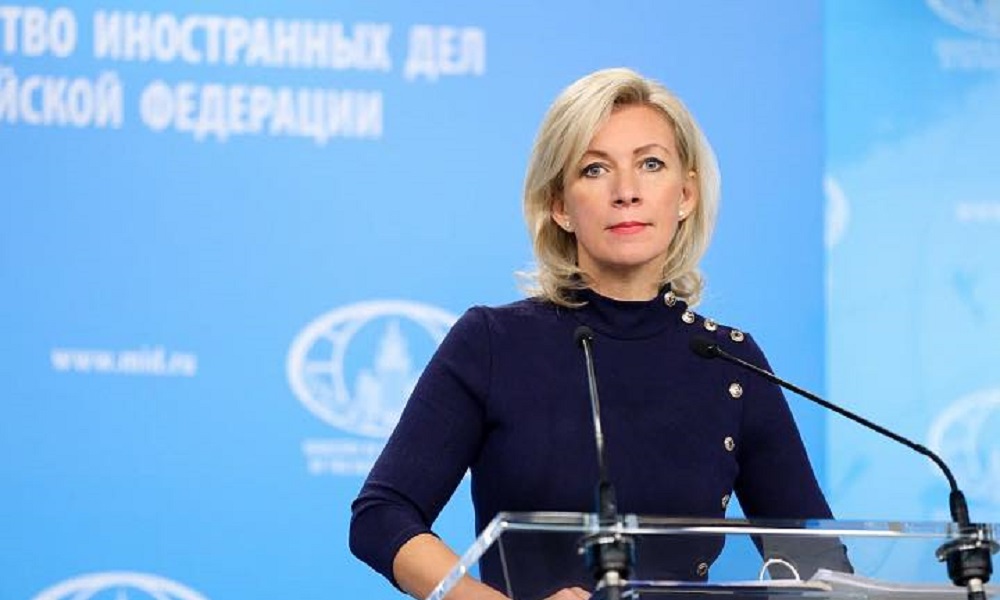
Maria Zakharova, spokesperson for Russia’s Foreign Ministry, made the remarks in response to questions about the policies of the United States, Britain and Germany toward Afghan nationals.
Zakharova said Western countries had tightened rules on issuing documents and granting asylum after facing difficulties in accommodating Afghans, while simultaneously stepping up deportations.
She said the policy particularly affected former officials and military personnel of the previous Afghan government, who could face forced returns to Afghanistan.
Zakharova also referred to reports that some European Union countries had allowed diplomats of the Islamic Emirate of Afghanistan (IEA) to issue documents for Afghan nationals subject to readmission.
She said the process of removing Afghan refugees who were once considered partners by Western countries had accelerated.
Zakharova also raised concerns about the planned closure of Qatar’s Al-Sailiya camp, where more than 1,000 Afghans who worked with US forces are reportedly housed at a former US military base.
She said the United States had been unwilling to accept some of its former Afghan partners and was instead negotiating their resettlement in African countries.
Zakharova accused Western governments of adopting an inconsistent approach by criticizing IEA officials over alleged human rights violations while at the same time deporting Afghan nationals to Afghanistan.
Her comments come amid continuing debate in Western countries over the status of Afghan asylum seekers, former government officials and people who worked with foreign forces following the 2021 withdrawal.
Russia accuses West of double standards over deportation of Afghans
Afghanistan has faced recurrent measles outbreaks for more than two decades, with uneven routine immunisation allowing the disease to return even after large vaccination campaigns. Drawing on interviews conducted in 2025 and 2026 with doctors, health workers and parents, AAN’s Jelena Bjelica, Rama Mirzada and Rohullah Sorush hear about the latest major outbreak in 2024-25, the overcrowded wards, multiple cases in families and deaths among young children. While measles cases fell sharply in many areas in 2026 after a major vaccination campaign in November 2025, our interviews suggest Afghanistan remains at risk of renewed outbreaks unless routine two-dose vaccination coverage improves.
“You might not believe me, but it took a long time for us to appreciate the danger of measles to children until we experienced it. We’d been unaware of its dangers and the deaths it caused.”
– Muqem, 29-year-old father of three children in Faizabad, Badakhshan
All three of Muqem’s children contracted measles in May 2025.[1] He described one of his daughters becoming so ill she could not open her eyes. The experience shook him so deeply that it changed how the family thinks. They had not previously understood how dangerous the disease could be. More awareness, he said, including through mosques, was needed to encourage families to vaccinate their children.
Fortunately, all of Muqem’s children survived, but in the same year, 550 people did die of measles. Following the re-establishment of the Islamic Emirate in 2021, there had been a two-year gap in mass national vaccination campaigns (between 2023 and 2025) and in that gap, the country experienced its worst outbreak on record. Suspected measles cases rose to 60,000 in 2024 (WHO) and surged in 2025, with more than 97,000 suspected cases by mid-December (WHO).[2] Only after a nationwide vaccination campaign that reached more than 16.7 million children in late 2025 did measles cases decline – falling to almost 19,000 in the year to the end of August.[3] However, Afghanistan still faces the risk of measles outbreaks because access to health services in the country remains patchy and not enough children have the regular two-dose vaccination – also called ‘routine vaccination’. This is when parents take their infants for regular check-ups and vaccination in designated local health facilities.
Measles outbreaks are not a new problem: Afghanistan has experienced recurrent measles epidemics in the period under review, ie since 2001,[4] reflecting longstanding problems with routine childhood immunisation, which, in turn, are driven by poor access to health services, poverty, illiteracy, prejudice, malnutrition and the health system’s poor ability to respond.
This report draws on 12 interviews conducted in 2025 and 2026 with doctors, health workers and parents about the spread of measles, access to vaccination and the pressure outbreaks have placed on families and health facilities. Taken together, the interviews offer a snapshot of the outbreak at two different moments – 2025, when the measles outbreak put intense pressure on hospitals and households and 2026, when cases had fallen substantially in several provinces, but measles transmission rates remained high and problems with routine immunisation remained.
The report opens with the experiences of the major outbreak in 2025, with interviews conducted in July of that year Badakhshan, Farah and Helmand, with hospital doctors and two parents whose children had contracted measles. This is followed by a look at how the situation was a year later after a major vaccination campaign, based on interviews conducted in August and September 2026 with doctors and health workers in Badakhshan, Farah, Helmand, Faryab, Ghor, Maidan Wardak and Ghazni provinces, including reinterviews with the doctors in Badakhshan and Farah. The report closes with an overview of recurring measles outbreaks in Afghanistan since 2001.
The report shows that routine immunisation is not enough, often because parents lack information or general knowledge about vaccination or because health service coverage is inadequate or difficult to access, with the system especially struggling since the 2025 aid cuts. It also shows how vulnerable Afghanistan is to outbreaks unless there is substantial development support for its health sector, and how unprepared the Emirate government has been to deal with a major health crisis, presumably because the health sector has never been a budgetary or policy priority.
The 2025 measles outbreak: why vaccine matters
Muqem, the 29-year-old father of three in Faizabad whose story opened this report, described how in 2025, his two-and-a-half-year-old daughter became so seriously ill she had to be taken to the doctor every day. He was a little uncertain about his daughter’s vaccination status: “I asked her mother and she said she had taken her to the hospital for her vaccinations, but wasn’t sure if the measles vaccine was given.” Two nephews who lived with the family also contracted measles and became very sick: Muqem believed they had not been vaccinated. One, a three-year-old, developed such a high fever and severe rash that, as Muqem described it, his skin began to peel.
In total, eight children in our extended family, including my nephews, nieces and my own children, got measles, one after another. It started when one child got sick. After she recovered, another child got infected. The children who were in the most severe condition were those who had not been vaccinated.
The experience left him convinced that vaccination mattered, not least because of the nine children in his extended family, the only child that did not contract measles was the one the family was certain had been fully vaccinated, ie had received two doses.
At the other end of the country, in Farah, another parent, Razia, described how her eight-month-old daughter contracted measles before receiving her first vaccination.[5] The child became critically ill, she said. Her whole body turned red and she appeared lifeless and was unable to drink milk.
Her body had no strength – it was like a dead body. Only her heart was beating, which was the only way we could tell she was still alive. She was admitted to hospital for eight days. It was a truly horrible situation. I pray to God that no mother ever experiences this.
For Razia, with five children, the experience also became an argument for vaccination. She said her older children had previously had measles, but experienced the illness far more mildly – which she attributed to them having been vaccinated (with at least one dose) or having contracted the disease at a later age. Children under five are particularly vulnerable if they have not received both recommended vaccine doses to measles because protection from maternal antibodies fades during infancy. Also, once infected, young children are more likely to develop serious complications, particularly if they are malnourished or have weakened immune systems. Razia’s baby was not yet of age for vaccination: “I hope and pray that no child will ever contract measles before receiving the vaccine.”
During those eight days in hospital, Razia said the number of children admitted with measles rose from around 15 to around 50. This scenario was echoed in our interviews with doctors in Badakhshan, Farah and Helmand in 2025, who described how the severe measles outbreak h placed considerable pressure on hospitals and families. Doctors in all three provinces reported substantially higher caseloads than in previous years. According to the WHO’s infectious diseases monitoring report from 2025, the highest cumulative incidence of suspected measles cases per 10,000 population was reported in Helmand (69.4) and Badakhshan (49.9).
In Badakhshan, Dr Mushtaq at Faizabad Hospital said they were admitting 50 to 60 measles patients a day in mid-2025, compared with no more than six a day in 2024. Although admissions had fallen to between 12 and 18 a day by the time of the interview (in July 2025), he estimated that as many as 2,500 measles patients had been hospitalised over the previous five months. “At the peak of the outbreak, we were admitting up to 80 patients a day,” he said. The children’s ward has only 30 beds, he said, but could be caring for as many as 180 children, forcing staff to put several patients in one bed and use corridors. “We even had to use the kitchen as a temporary ward,” said Dr Muttaq. There had been between eight and twelve deaths a month, most of them, children under two.
Dr Gulli described a similar situation at Boost Hospital in Helmand: they were seeing around 200 to 300 measles patients a week at the time of the interview (July 2025) and earlier in the year had recorded as many as 120 patients a day. He said around 15 to 20 children were admitted every 24 hours, principally those with complications or underlying health problems. “In some instances,” Dr Gulli said, “I was treating ten or so members of a single family infected with measles.” Although less than one per cent of the measles patients died, he said that still meant they had as many as four deaths every week at the hospital.
Farah’s hospital was also struggling with overcrowding. At peak periods in 2025, paediatrician Dr Farid Hakimi said they were admitting as many as 20 measles patients a day. He said the hospital lacked a dedicated quarantine section with enough nurses and also that several sick children sometimes had to share a single bed, making effective isolation difficult. “At times,” he said “we had 25 inpatients with only one nurse, working a 24-hour shift, and one doctor attending to 120 patients.” He described an unbearable situation.
In every family, around two or three children had measles. They were treated at home because their financial situation was not good enough to admit their children to private hospitals and the capacity of the public hospital wasn’t enough to admit all patients.It was such a horrible situation. People were affected both mentally and financially. For instance, three children from the same family had contracted measles, but they had no money to hospitalise them in a private hospital. So, the family bought medicine for one child and shared it with the other two as well.
The doctors we interviewed repeatedly stressed that malnutrition, poverty and other illnesses made measles more dangerous. Dr Gulli said around eight out of every 20 children admitted with measles were malnourished. It is among the principal complications associated with deaths, along with pneumonia and dehydration. Families’ economic circumstances are also an underlying factor in a child’s prospects of recovery, with some families lacking the resources to seek treatment promptly or provide sick children with adequate food.
What the parents we interviewed instinctively felt, the doctors confirmed: gaps in vaccination emerged as the most consistent explanation for the scale of the outbreak. Doctors said many of the children they treated had no record of measles vaccination, particularly those coming from remote areas. In Helmand. In Farah, Dr Hakimi also said that most of the children he treated had not been vaccinated and described greater reluctance towards vaccination in villages and districts than in the provincial capital. In Badakhshan, access to remote areas is the main problem: while mobile vaccination teams can operate in many villages and districts, Dr Mushtaq said that places such as Wakhan, Pamir and parts of Darwaz were difficult to reach.
The doctors we interviewed also raised concerns raised about how vaccines were transported, stored or administered, particularly in remote areas. Measles vaccines must be kept within a functioning cold chain, generally at between 2°C and 8°C and protected from heat and light.[6] The doctors suspected possible breaks in the cold chain and inadequate vaccinator training.[7] In Badakhshan, for example, Mushtaq said he believed delayed delivery, cold-chain problems and administration errors may have contributed to vaccination failures in 2024 and 2025. The Helmand doctor raised similar concerns, while saying storage and handling at Boost Hospital itself were properly monitored. There is no doubt that Afghanistan’s vaccine cold chain faces persistent logistical challenges, including unreliable electricity, shortages of refrigeration equipment and the difficulties of transporting vaccines to remote areas. UNICEF and its partners have invested substantially in solar-powered refrigerators, generators and other cold-chain infrastructure. In 2024, they installed 318 solar direct-drive refrigerators in health facilities across all 34 provinces, alongside cold rooms, freezers, vaccine carriers and generators (UNICEF). There is also no evidence that might verify that it was a cold-chain failure that caused the recent measles outbreak.
What the 2025 outbreak did clearly show was that gaps in mass national immunisation campaigns in environments such as Afghanistan, where multiple children can become infected in succession in large households, are dangerous. The images of overcrowded wards, shortages of staff and large numbers of seriously ill children last year displayed how serious a measles outbreak can be. At the same time, the interviews suggest that attitudes towards vaccination were not uniformly hostile. Many parents saw vaccination as beneficial, while some who had experienced severe measles firsthand became strong advocates for immunising children. The central challenge emerging from these accounts was therefore not vaccine hesitancy, but ensuring that children, particularly those in remote and poor communities, were actually reached by effective mobile immunisation campaigns, if routine vaccination is not available, before outbreaks occurred.
The situation in 2026: a decline in cases, but not an ending
Interviews with doctors and health workers in selected provinces conducted in 2026 showed that measles cases have fallen in many parts of Afghanistan since the 2024-25 outbreak, although the picture remains uneven. In some provinces, like Helmand, as we will see, there has been little improvement.
In Farah province, we reinterviewed Dr Hakimi. He said the number of measles cases had fallen significantly:
The number of cases hasn’t yet dropped to zero. However, the number of patients admitted has gone down compared to 2025. … to three per day on average and on some days, we have only one. These are only patients with severe conditions, not those whose condition is normal and who can be sent home.
In Faryab province, another Dr Hakimi also reported a decline in measles cases: “The situation is good and under our control now. We have one to two cases a month.” In Badakhshan, Dr Mushtaq whom we had interviewed in 2025, said the situation was far better than that year, with only up to six measles patients admitted each week. He also said the patients’ cases were “not as complicated” as last year. However, he highlighted staff shortages and the remoteness of some areas in Badakhshan as the main problems in the province, problems that had not gone away. “We have vacancies, but we lack doctors and nurses, and if there are measles complications, we don’t have the doctors specialising in malnutrition and infectious diseases.” Also, he added, “Most of our doctors work in volunteer positions.”
Interviewees credited mass vaccination campaigns with much of the improvement. Safiullah Seddiqi, who supervises health services in Maidan Wardak and Ghazni, said measles cases fell after the ten-day vaccination campaign in late 2025 and that the children who continued to contract the disease were largely those who had not been vaccinated. In Ghor, the deputy head of the Emirate’s Expanded Programme on Immunisation, Dr Faroqi, described a similar cycle: a 2022 campaign was followed by very few cases in 2023, but outbreaks returned in 2024 and became very severe in 2025 after the two-year vaccination gap. “In 2025,” he said, “the cases increased to the level that the infectious ward of our hospital didn’t have the capacity to admit patients.”
Our interviewees in Farah, Ghor, Faryab, Badakhshan Maidan Wardak and Ghazni all agreed that access to vaccination remains highly uneven – and for a variety of reasons. In Faryab, one doctor described “white areas” that are beyond the reach of regular health services, although mobile vaccinators were increasingly being used to reach them. In Ghor, a doctor told AAN that even mobile teams could not reach remote districts, while transport costs, restrictions on women’s mobility and families’ workloads prevented many parents from bringing children to clinics for vaccination. In Farah, a doctor described a different cause: some parents avoided vaccinators and were reluctant to vaccinate their children, underscoring the ongoing importance of public awareness alongside physical access to services.
Helmand province stands out from the downward trend in cases. Dr Seraj, who works at Boost Hospital, said there had been little change from 2025 and that measles remained the most prominent disease in the hospital’s isolation ward. The ward has 34 beds, he said, and they are usually full. The peak this year had been in April, four months before the interview, when he said that 50 measles patients had been admitted, forcing the hospital to restrict admission to only complicated cases.
From my point of view, there’s not been much change compared to 2025. In our isolation ward, the number of measles patients is higher than for other diseases. It’s been two years since I started working here and I’ve reviewed the records of admitted patients. Based on these records, we still have many measles patients. Our beds are full most of the time.
The main reason for the high incidence of measles cases in Helmand is the same, however – missed immunisation.
Our interviews, supported by the monitoring data, suggest that the mass vaccination campaign in late 2025 was followed by a substantial reduction in measles nationwide, but that it has not eliminated the underlying conditions that allow outbreaks to recur. Routine immunisation in local clinics, hospitals or other health care establishments is still not common practice, particularly in remote communities, while poverty can prevent families from seeking timely care, and health facilities may struggle when cases surge. The situation in Helmand also shows that statistics showing a national decline can conceal significant local outbreaks. Afghanistan’s dependence on nationwide mass vaccination campaigns, rather than a routine two-dose immunisation, which requires a more comprehensive health infrastructure, suggests that there is still a long road ahead in eradicating measles.
Setting the 2025 epidemic in historic context
Afghanistan has faced recurrent measles outbreaks for the last quarter of the century, largely because routine immunisation never achieved full coverage or consistent delivery, with many children, especially in rural and hard-to-reach areas, left unvaccinated. Following the years of conflict and international isolation, beginning in 2001-02, the Ministry of Public Health, WHO and UNICEF launched large vaccination campaigns (WHO). Around 11.5 million children aged six months to 12 years were immunised in 2002. Another five million children were immunised in 2003. Reported measles cases consequently fell sharply, from 8,762 in 2001 to 559 in 2004. However, the gains were difficult to sustain. Cases rose again to 836 in 2005 and 1,835 in 2006 as routine coverage remained inadequate and many children were left unprotected, especially in the south and southeast of the country (Relief Web).
In 2005, the Country Report on Afghanistan’s Millennium Development Goals (written by the United Nations Development Programme) said the measles vaccination campaign had been effective, at least in the cities:
The measles immunisation programme has been a success in Afghanistan, with 75% of children aged less than 12 months having being immunised. Owing to much higher immunisation coverage of children in urban as opposed to rural areas, infant and child mortality rates in the rural areas are around 25% higher.
However, routine immunisation alone never reached enough children, which meant Afghanistan has kept going through the same vicious cycle: a rise in cases followed by an immunisation campaign whether that targeted a specific province or was nationwide. That brought cases down, but without routine immunisation, they were bound to rise again. Afghanistan’s 2018 Health Survey concluded that the measles immunisation rate had fluctuated, without overall improvement between 2003 and 2018, with estimated measles vaccination coverage at about 64 per cent, and with only 51.4 per cent of children ever fully vaccinated (ie, with two jabs). This suggests that emergency campaigns repeatedly reduced outbreaks, but that routine immunisation was failing to reach enough children, enough times.
Reported measles cases per year, 2020-2025. Source: WHO Immunization Portal. Graph generated on 28 September 2026
After relatively lower transmissions in 2019 and 2020, suspected measles cases again began rising across Afghanistan after the Taliban takeover, from around 30,000 in 2021 (WHO) to more than 77,000 in 2022 (WHO), as explained in more detail in the following section.
Epidemics under the Emirate
The rise in cases is directly linked to the deterioration of the healthcare system and the economic crisis that struck the country following the abrupt change of government. Since the re-establishment of the Islamic Emirate in August 2021, funding for healthcare has plummeted and the number of health facilities and medical staff has shrunk (see this 2025 AAN report on rural women’s access to health). WHO’s 2025 Public Health Situation Analysis, using 2023 data, estimated there are only 10.3 doctors, nurses and midwives per 10,000 people. It described the workforce shortage and its distribution as critical. The sharp reduction in donor support in 2025, most significantly caused by the cut in US aid under President Trump’s Stop Aid order from January 2025,[8] resulted in the closure of approximately 595 facilities since then, according to Médecins Sans Frontières (MSF), with 445 closed or suspended in 2025, plus more than 150 additional health centres during the first half of 2026 (MSF). At the same time, the Emirate’s spending priorities mean health gets only one to two per cent of the budget (compared to 40 to 50 per cent spent on security).[9] The limited availability of health facilities across the country, coupled with staff shortages – particularly of specialist doctors and female health workers had the most severe impact on women, who are often tasked with taking care of children’s vaccination schedules. A series of prohibitions targeting women promulgated by the Emirate since 2021 has made independent travel difficult and in some areas, impossible, especially over long distances. In particular, a ban instituted in December 2021 on women and girls travelling “long distances” without a mahram (a close male relative) is often applied to any woman travelling independently, at all.[10]
Number of suspected measles cases based on WHO data. Graph: AAN, 2026.Number of measles-related deaths based on WHO data. Graph: AAN, 2026.
As the two graphs above show, 2022 was the first major peak since 2001 for measles in Afghanistan, with 77,210 suspected cases and 388 deaths. The response was extensive: several subnational campaigns reached around three million children, followed in November and December 2022 by the first nationwide measles campaign since August 2021. It vaccinated 5.36 million children aged 9 months to 5 years across all 34 provinces. This appears to have contributed to the much lower incidence seen in 2023: annual suspected cases fell by roughly two-thirds to just under 29,000. Nevertheless, WHO monitoring showed cases again beginning to increase towards the end of 2023.
2024 saw another major resurgence, with 59,753 suspected cases and 289 deaths – more than double the number of suspected cases reported in 2023. Eighty per cent of suspected cases and more than 95 per cent of deaths were among children younger than five. The underlying vulnerability was considerable: Afghanistan’s 2022–23 Multiple Indicator Cluster Survey had found that only about 51% of children had received their first measles-containing vaccine dose and only 37% the necessary second dose. This is far below the level of 95 per cent, two-dose coverage (UNICEF) required to prevent outbreaks of a disease as infectious as measles.
As could be anticipated, the situation became still more serious in 2025. Cases rose steadily from the beginning of the year and reached a peak of 4,172 suspected cases every week in April. By 13 December, WHO had recorded 97,368 suspected measles cases and 552 associated deaths. This was the highest number of suspected cases recorded since 2001. In response, Afghanistan carried out a large two-phase national vaccination campaign in late 2025, reaching more than 16.7 million children aged six months to ten years across all provinces. By 29 August 2026, the national surveillance system had recorded 18,826 suspected cases and 78 deaths, compared with more than 97,000 cases already recorded by late June in 2025. Children under five still accounted for 14,367 cases, or 76 per cent of the 2026 total. Weekly cases have also been declining: between 23 and 29 August, only 292 suspected cases were reported, with no deaths and the Ministry of Public Health says the downward trend had been evident since June (MoPH).
However, there are still many children in Afghanistan who have not received at least one dose of measles vaccine. A recent REACH Initiative Whole of Afghanistan Assessment (WoAA) 2026 survey found that a fifth of respondents (21 per cent) had a child who had never received a measles injection at nine months or later and five per cent did not know if their child had received one.
Conclusion
Measles is one of the most contagious diseases in the world. The only way to really stop major outbreaks is to achieve ‘population immunity’, which requires the vast majority of the population to be vaccinated or to have previously had the disease (the UNICEF/WHO goal is 95%). Afghanistan’s vaccination practice cannot achieve this: large vaccination campaigns have repeatedly brought cases down, but weak routine, double-dose coverage caused by poor and uneven access to health services, malnutrition, periodic conflict and insecurity and the geographic isolation of many communities have allowed outbreaks to return. The fact that more than three-quarters of measles cases in 2026 were registered among children under five (both doses of measles vaccine should be administered before the age of 18 months; see footnote 5) (MoPH) clearly shows that the immunisation has not reached every child and the country remains vulnerable to renewed outbreaks.
The remedy is difficult. Rather than periodic vaccination campaigns, Afghanistan’s children, nationwide, need a two-dose routine immunisation. That it does need to be two-dose was the conclusion of a 2026 journal article, “Measles outbreak risk in Afghanistan: provincial immunity gaps and epidemic potential following immunisation system disruption,” in Vaccine, published by Elsevier. A single dose, the study found, would not give sufficiently high immunity, even if coverage were dramatically improved. The authors argue that controlling measles will therefore require a combination of sustained two-dose vaccination, large and well-targeted supplementary campaigns in vulnerable areas and the broader restoration of Afghanistan’s routine immunisation system, rather than relying on a single-dose vaccine alone.
However, in the current global political climate, Afghanistan has slipped down the international agenda and funding for basic services has become increasingly scarce. This leaves health providers, most of whom are NGO-run and donor-supported, struggling to sustain already depleted services, let alone expand preventive care or reach long-underserved communities. At the same time, a shift in Emirate policy that prioritised health and well-being is not on the horizon. Without sustained donor commitment or a change in national budget allocations, the cycle of avoidable illness, overstretched services and avoidable deaths among small children is set to continue.
Edited by Rachel Reid and Kate Clark
References
References
↑1
The World Health Organisation (WHO) describes measles as a highly contagious viral disease that is easily transmitted when an infected person breathes, coughs or sneezes and can cause serious complications and even death. While it can affect anyone, it is most common in children. The infection starts in the respiratory tract and then spreads throughout the body. Symptoms include a high fever, cough, runny nose and a rash all over the body. There is no specific cure for measles. Vaccination, which began in 1963 and has since become widespread, is the most effective way to prevent measles infection and transmission. The vaccine is safe, effective and affordable and community-wide vaccination has proven the most effective way to prevent measles.
↑2
The approximation for the number of suspected cases is based on the World Health Organization’s Afghanistan Infectious Diseases Outbreaks Situation Reports, which are published weekly. The annual estimates are provided in the situation report for week 52 each year.
↑3
The exact figure was 18,826 suspected cases by the end of August 2026 and 78 deaths had been reported, with weekly infections continuing to fall (MoPH).
↑4
This report is concerned only with measles in Afghanistan in the last 25 years, ie since 2001. This period was chosen because of the availability of data and analysis on the topic. While same data for the period before 2001 exists, it is based on estimates, or it is generalised or patchy.
↑5
The WHO recommends that children receive two doses of measles vaccine to ensure immunity. In countries with high measles incidence, the first dose is usually given at 9 months of age and a second dose typically at 15-18 months (WHO).
↑6
Once the freeze-dried vaccine has been mixed with its diluent, WHO recommends that it be kept refrigerated and used within six hours.
↑7
There have also been allegations of corruption in the recruitment and management of vaccination staff. In September 2026, Hasht-e Subh reported claims from local sources in Helmand that some vaccinator posts had been allocated to individuals with connections to local officials and that applicants had paid money to secure positions (8AM, 15 September 2026). Similar allegations emerged in Takhar, where sources accused provincial health officials of placing fictitious vaccinators on campaign payrolls and replacing experienced workers with people willing to pay for jobs (8AM, 3 September 2026). In Kandahar, vaccinators interviewed by Hasht-e Subh complained about delayed salaries and alleged that officials were recruiting relatives into vaccination campaigns (8AM, 5 September 2026). Concerns about such practices are not new: a 2018 review of the global polio programme identified the diversion of frontline workers’ payments and claims for ‘ghost vaccinators’ as financial risks in Afghanistan, although it found no evidence at the time of major systemic diversion of programme funds (The Independent Monitoring Board of the Global Polio Eradication Initiative).
↑8
See this press release from the Norwegian Refugee Council from 26 March 2025, which says:
In January the United States (US) suspended ongoing aid projects which forced the majority of US-funded humanitarian work to be put on hold or end (Devex). In February, the United Kingdom announced it would be cutting Overseas Development Assistance (ODA) from 0.5% to 0.3% of Gross National Income (UK Government). In February the Dutch government also underscored their scale back in aid announcing a 2.4 billion cut on development aid from 2027 (Government of the Netherlands). The French government announced it would reduce public development assistance by more than 2 billion Euros – close to 40%of its annual funding (RFI). Swiss, Swedish, German and Belgian governments have also announced cuts in aid assistance budgets (Devex, DevexSwissInfo, Development Today).
Italian diplomat Nicola Bellomo has begun his tenure as the new Chargé d’Affaires of the European Union Delegation to Afghanistan, succeeding Slovenian diplomat Veronika Bošković Pohar.
Bellomo said Monday on X that he had started the new assignment with “great pride,” saying he would represent the interests and values of the European Union in Afghanistan. His appointment was first announced by EU foreign policy chief Kaja Kallas in June, when Bellomo was nominated for the position.
Before taking up the Afghanistan post, Bellomo served as head of the Pan-African Affairs Division at the European External Action Service (EEAS). He previously served as the EU ambassador to Rwanda and held other diplomatic positions within the EU’s foreign policy service.
The EU Delegation in Afghanistan works on political engagement, humanitarian assistance, development cooperation and coordination with international partners. The delegation says its presence in Kabul is intended to facilitate assistance to the Afghan people, coordinate operations and support EU engagement on Afghanistan.
Bellomo has already appeared in recent EU activities in Afghanistan. In September, he described EU support for a €5 million initiative with the Food and Agriculture Organization aimed at strengthening agricultural resilience, supporting agribusinesses and creating livelihood opportunities for vulnerable Afghan communities.
The change in EU leadership comes as the bloc maintains diplomatic engagement with Afghanistan while continuing to work through its delegation in Kabul. The EU’s engagement includes humanitarian and development assistance, while its dealings with the de facto authorities remain separate from formal recognition of the Taliban as Afghanistan’s government.
Italian Diplomat Nicola Bellomo Begins Work as EU’s New Chargé d’Affaires in Afghanistan
Afghan returnees from Pakistan were nearly three times more likely than those returning from Iran to receive multipurpose cash assistance, according to a new report by the International Organization for Migration (IOM).
The IOM’s Afghanistan Returnee Resilience Report, published on September 28, examined the situation of returnees several months after their arrival in Afghanistan. The report found that 69 percent of returnees from Pakistan received multipurpose cash assistance, compared with 24 percent of those returning from Iran.
The report said returnees received various forms of assistance at border points, including cash, healthcare, food and SIM cards. Of the 1.93 million Afghans who returned from Iran and Pakistan between July and December 2025, 38 percent received cash assistance, according to the assessment.
The IOM report did not specify the amount of cash distributed during the period under review. Under an earlier IOM integrated assistance programme for returnees in 2024, however, families received a multipurpose cash grant of $140, alongside an average transportation allowance of $20 per person.
Food, shelter and livelihoods remain major concerns
Despite assistance at the border, returnees continue to face significant challenges after settling in Afghanistan. The IOM found that food was the most frequently reported immediate and longer-term need, with 69 percent of returnees reporting difficulties meeting their food needs.
Shelter was another major concern. About 67 percent of returnees needed assistance to secure safe housing, while 77 percent were living in temporary shelters and 51 percent said they lacked sufficient space for their families.
Livelihood opportunities were also limited. The report identified employment and income-generation as a major need for 56 percent of returnees. Only 5 percent had productive assets that could generate income, while 54 percent said their income during the 30 days before the interview was insufficient to meet basic needs.
The assessment was based on interviews with 1,547 returnees, including 888 who had returned from Pakistan and 659 from Iran. IOM assessed their circumstances roughly nine to 15 months after their return.
Despite economic difficulties and limited access to services, 75 percent of respondents said they did not intend to leave their current location during the following six months. Six percent said they planned to leave Afghanistan, while 5 percent intended to move elsewhere inside the country. Thirteen percent were uncertain about their plans.
The figures differed between families and individual returnees. About 76 percent of families said they did not plan to relocate, compared with 69 percent of individual returnees. Sixteen percent of individual returnees said they intended to leave Afghanistan again, compared with 4 percent of those returning with families.
Nearly 6.5 million Afghans returned from Iran and Pakistan since 2023
IOM says 6,473,978 Afghans returned from Iran and Pakistan between September 15, 2023, and August 31, 2026. During the second half of 2025 alone, 1,931,418 people returned, including 1,138,374 from Iran and 793,044 from Pakistan.
Among those returning during the period covered by the report, 48 percent were women and 52 percent were men, while children under 18 accounted for 58 percent of the total.
The scale of the return movement has placed additional pressure on Afghanistan’s already fragile humanitarian and economic systems. The UN’s 2026 Response Plan for Afghan Returnees estimated that nearly 2.7 million Afghans could return between April and December 2026 and called for $529.2 million to support emergency assistance and longer-term reintegration in high-priority areas.
IOM has said its response includes border screening and registration, food, temporary accommodation, health and psychosocial support, protection services and transportation assistance, with more than 324,000 returnees from Iran and Pakistan reached during the first half of 2026.
IOM: Returnees From Pakistan Receive Three Times More Aid Than Those From Iran
Pakistan’s Express Tribune has reported that relations between Islamabad and the Taliban have reached a stage where a diplomatic reset is becoming increasingly difficult.
A senior Pakistani official involved in Afghanistan policy told the newspaper that relations between the two neighbours were likely to become even more strained.
“We have, I think, reached a point of no return,” the official said.
The report, written by journalist Kamran Yousaf, said that despite recent efforts by Türkiye and Qatar to reduce tensions between Islamabad and Kabul, Pakistani officials believe the relationship could deteriorate further.
“We know the Taliban so well. They are not going to mend their ways,” the unnamed Pakistani official told the Express Tribune.
The official added that the Taliban’s measures to address Pakistan’s security concerns “are not enough and are cosmetic in nature.”
According to the report, the head of Türkiye’s intelligence service travelled to Kabul and Islamabad as part of regional efforts to ease tensions. However, the diplomatic initiative collapsed before it could gain traction.
The newspaper reported that a day after Turkish and Qatari officials held meetings in Kabul, a deadly attack targeted the police lines in Kohat, with one of the suicide attackers identified as an Afghan national.
Pakistani officials cited the attack as evidence of the continued presence of terrorist groups on Afghan territory, and Pakistan subsequently carried out strikes inside Afghanistan.
The Express Tribune reported that the Taliban responded by sending rudimentary drones towards Pakistan, which Pakistani officials said were neutralised before causing casualties or significant damage.
Pakistan then launched further strikes against drone storage facilities and launch sites at around 10 locations in Afghanistan, including one target in Kandahar.
The report also said the Turkish delegation had expected to meet Taliban leader Haibatullah Akhundzada in Kandahar, but that he instead deputed a member of his staff to meet the delegation. The move was not well received by the Turkish side.
The report further noted that some Pakistani officials believe the growing rift could change perceptions among anti-Taliban groups. For years, some of these groups had viewed Pakistan as still somehow aligned with the Taliban. As tensions deepen, that perception may shift.
“If the Taliban regime’s writ is challenged further, it won’t be a surprise,” the official said.
Ties With Taliban At ‘Point Of No Return’, Says Pakistani Official
KABUL, Afghanistan (AP) — Afghanistan said on Sunday that its forces killed 28 fighters and captured 32 others, including alleged members of the Islamic State group said to have crossed from neighboring Pakistan.
Tensions between Pakistan and Afghanistan have increased in recent days, with cross-border fighting and Pakistani airstrikes on Afghan territory adding to longstanding disputes over militant activity along their border.
Afghanistan’s Defense Ministry said in a post on X that the fighters were killed or captured on Saturday in Kamdesh district in the northeastern province of Nuristan. It alleged that several IS-affiliated groups had been sent from Pakistan with the support of Pakistani authorities “with the aim of carrying out acts of subversion and creating insecurity.”
Afghanistan does not recognize its frontier with Pakistan as an international border. The countries share a 2,611-kilometer (1,622-mile) boundary known as the Durand Line.
kistan rejects Afghanistan’s accusations
Pakistan’s Ministry of Information rejected the allegations as “frivolous, baseless and devoid of any truth.” In a post on X, it said Pakistan “categorically rejects” claims that its security forces or intelligence agencies were involved in clashes in Nuristan or elsewhere in Afghanistan. It also denied recruiting or training former Afghan security personnel or facilitating IS or other militants.
The ministry said Afghanistan had provided no evidence to support its allegations, including identities, documents, communications or forensic material. It dismissed a video circulating on social media as showing only a few unarmed people and described it as part of a “pre-planned video shoot” by Afghanistan’s Taliban government.
Pakistan said the presence and activities of militant groups in Afghanistan had been documented in reports by the United Nations and other international organizations. It accused Kabul of trying to “manufacture a Pakistani connection” to obscure what it described as the continued presence of militants in Afghanistan.
Islamabad says its forces killed scores of militants
Meanwhile, Pakistan’s military said Sunday that its forces had killed more than 71 militants during multiple operations in southwestern Balochistan province over the previous 96 hours. The military said the operations targeted hideouts of groups it refers to as Fitna al-Khawarij and Fitna al-Hindustan, terms used by Islamabad for Afghanistan-based Pakistani Taliban and members of the outlawed Baloch Liberation Army, or BLA.
Pakistan frequently accuses Afghanistan’s Taliban government of allowing the Pakistani Taliban, formally known as Tehrik-e-Taliban Pakistan, or TTP, to operate from Afghan territory and carry out attacks inside Pakistan. The TTP is separate from Afghanistan’s Taliban but is allied with it. Kabul denies providing the group a safe haven and has rejected Pakistan’s accusations.
The latest hostilities followed Pakistani airstrikes Monday on sites in eastern Afghanistan that Pakistan described as militant hideouts. Pakistan said the strikes killed 28 militants, while Afghan authorities said three civilians were killed, a toll confirmed by the United Nations.
“According to available information, Pakistani intelligence agencies had brought them to Pakistan under the promise that arrangements would be made for them to obtain asylum in foreign countries and receive high salaries,” the ministry said.
It alleged that the men were instead taken to camps established by Pakistan’s military and intelligence agencies, given brief military training and sent back into Afghanistan to create insecurity in parts of Nuristan, which borders Pakistan’s northern Chitral district.
The ministry called on “all young people and former military personnel who have been deceived by Pakistani intelligence agencies” not to become further victims of what it described as enemy conspiracies.
Ahmed reported from Islamabad.
Afghanistan says 28 fighters killed, 32 captured after crossing from Pakistan
Thirty years ago, on 27 September 1996, former president Dr Najibullah was killed alongside his brother, Shahpur, in the Afghan capital, Kabul. He had been sheltering in a United Nations compound since the mujahedin captured the city four years earlier, but on 26 September, the Taliban took Kabul. By the next morning, the two brothers had been seized and killed, their bodies hanged from nearby traffic lights. To mark the anniversary, we have compiled a new dossier of reports about Najib’s party, the People’s Democratic Party of Afghanistan (PDPA), which had seized power in the 1978 coup. The reports look back at the people and events that shaped this turbulent period of Afghan history and at the contested legacy of the PDPA and its rule.
This dossier follows our 2018 Thematic Dossier XVIII: The PDPA and the Soviet Intervention, which brought together AAN reporting on the 1978 coup and its aftermath, war crimes and resistance, the Soviet intervention and the PDPA’s successor parties. Here, we bring the collection up-to-date with the relevant reports we have published since then.
These two AAN dossiers trace a political party that profoundly changed Afghanistan and whose coup d’état led to half a century of conflict. The earlier dossier looked at how the PDPA seized power in 1978 and the repression that followed, including mass arrests, torture, forced disappearances and killings, and the resistance its government sparked. It also examined the relationship between the PDPA and the Soviet Union, whose forces invaded in December 1979, as the government in Kabul faced a growing rebellion, and the decade-long occupation and war that followed.
The reports featured in this second dossier revisit that history. Thomas Ruttig’s account of the PDPA on the 60thanniversary of its founding traces the party’s contentious history – from its beginnings in 1965 and its factional struggles to the coup and its years in power, including Najibullah’s attempt to remake it as Hezb-e Watan in 1990. Two reports marking the 40th anniversary of the Soviet invasion revisit December 1979 from different perspectives: one places the invasion in the wider history of the Cold War, while the other asks Afghans what they remember of the arrival of Soviet troops and how it changed their lives. Together, the reports show how the struggle over political power, modernisation and the direction of the country became entangled with the Cold War, with consequences that long outlasted the Soviet withdrawal.
Three obituaries examine the PDPA era through the lives of people who held prominent positions in the party but are also remembered for their achievements and commitments that went beyond their party membership: Sultan Ali Keshtmand as a senior politician and advocate of greater equality for Hazaras, Sulaiman Layeq as one of Afghanistan’s most highly regarded poets and Soraya Parlika as a lifelong campaigner for women’s rights.
Accountability, which featured prominently in the earlier dossier, remains an issue decades after the crimes were perpetrated. The reports in the war crimes and accountability section follow investigations and prosecutions in the Netherlands of former PDPA-era officials accused of crimes committed more than four decades ago, including the case of a former Pul-e Charkhi prison commander, whose war crimes conviction was overturned on appeal. AAN’s analysis uncovered several areas where the tribunal’s arguments appeared flawed, including it misunderstanding the role of the PDPA intelligence agency, KhAD, and not taking into consideration legal understandings reached by the International Criminal Tribunal for Yugoslavia (ICTY) and Rwanda (ICTR). Abdul Razaq Arif died in 2025 before Dutch prosecutors could appeal the court’s ruling. These reports illustrate both the possibilities offered by universal jurisdiction when alleged perpetrators have left Afghanistan and the legal difficulties of prosecuting crimes committed so long ago.
The war crimes and crimes against humanity perpetrated by the PDPA are detailed in the final publication for this dossier. The UN Mapping Report, authored by Patricia Gossman and Barnett Rubin, also covers the crimes committed by the mujahedin parties – in opposition and in government – and the first Taliban emirate, and by both the Soviet (1979-1989) and US (in 2001) armies.
The leftist People’s Democratic Party of Afghanistan (PDPA) irrevocably altered the country’s trajectory with its coup d’état in 1978, setting off a chain of events that would have lasting repercussions. The debate surrounding the extent of the Soviet Union’s influence on the party prior to this, as well as Moscow’s desire to see its rise to power, continues to this day. What is clear, however, is that the PDPA’s takeover of power and the subsequent Soviet military intervention in December 1979 touched off a shift of seismic proportions not only in Afghanistan’s political landscape but also in the lives of ordinary Afghans. Along with Western support for the mujahedin who opposed the party, the PDPA internationalised Afghanistan’s internal conflicts over modernisation and governance – they would last four decades, marking it as the last ‘hot war’ in the context of the Cold War. AAN’s Thomas Ruttig looks at the party’s history, drawing from earlier AAN reports, as well as adding details from lesser-known sources.
Forty years ago, Soviet forces entered Afghanistan, killed then President Hafizullah Amin from the Khalq faction of the ruling communist People’s Democratic Party of Afghanistan (PDPA) on 27 December 1979 and brought to power Babrak Karmal, who was from the rival Parcham faction. The move was meant to be a relatively short-lived regime-change operation, but swiftly turned into a fully-fledged occupation that would last one long decade and plunge the country into an intricate, devastating armed conflict from which it has yet to emerge. AAN has spoken to a range of people about their memories of those days and how the Soviet invasion affected them and changed their lives (interviews by the AAN team, compiled by Reza Kazemi).
Soviet troops invaded Afghanistan 40 years ago today, on 25 December 1979. Two days later, on 27 December, they toppled and killed Amin’s Khalqi’s government which had called for the troops and had assumed they had come for their rescue. The resulting occupation that would last for more than ten years became the last direct Soviet involvement in a ‘hot’ war in the global Cold War of that era. What was meant to be a relatively short and limited regime change operation, ended up changing history. It became part of a larger configuration of events that led to the downfall of the Soviet Union and its dominance in Eastern Europe and what, at the time, was described as the ‘end of history’: the end of the Cold War and the final triumph of liberal democracy (an illusion that has become obsolete). In Afghanistan, armed conflict did not end with the Soviet withdrawal, making Afghans the main victims of this war. AAN’s Thomas Ruttig reminds us of the unfolding events and the history they were part of.
Few Afghan politicians from the era of the Soviet-backed People’s Democratic Party of Afghanistan (PDPA) regime combined technocratic skill with a clear focus on combatting ethnic inequality, as Sultan Ali Keshtmand did. Born into a modest Hazara family, he rose to the top echelons of the party, navigating imprisonment, internal PDPA purges and shifting Soviet strategies to twice become head of government during one of the country’s most turbulent decades. For some, he symbolised opportunity and the potential for political inclusion, but for critics, he remains inseparable from the broader record of the Soviet-backed PDPA – a loyal functionary complicit in its failures and excesses. AAN’s Thomas Ruttig, with contributions by Rohullah Sorush, examines Keshtmand’s legacy, which sits at the crossroads of ethnic politics, state-building and the Cold War, as well as his contested place in Afghanistan’s political memory.
Sulaiman Layeq, one of the last surviving founding members of the leftist People’s Democratic Party of Afghanistan (PDPA), which changed the country’s history with its coup d’état in 1978, has died in late July. In 1992, he even made it to the top of the party, albeit in its final moments. The circumstances of his death were tragic and symbolic for the state of Afghanistan at the same time: Layeq, 90 years old, died of the wounds he had sustained in a suicide bombing in September 2019 in Kabul. AAN’s co-director Thomas Ruttig looks back at the two sides of his life – the life of a highly esteemed poet and of a controversial politician.
Soraya Parlika, political and women’s rights activist, has died at the age of 75. She had, said Sahraa Karimi, Chair of the Afghan Film Organisation, who made a documentary about Parlika, “dedicated her life to the life of women of Afghanistan and never left her motherland even during the hard years of civil war and Taleban regime.” This earned her the respect even among many who opposed her for having been a leading member of the People’s Democratic Party of Afghanistan (PDPA). AAN’s Thomas Ruttig looks back at her life.
A senior figure overseeing the notorious Pul-e Charkhi prison in the 1980s who was convicted of war crimes in the Netherlands, where he had been given asylum, has seen his conviction overturned by the Court of Appeal. His lawyers successfully arguedthat Abdul Razaq Arif’s crimes – arbitrary deprivation of liberty, cruel and inhuman treatment, and assault on the personal dignity – were not admissible because they had no link to the armed conflict between the then government and the mujahedin and could therefore not be considered war crimes. The Public Prosecution Service has now asked the Dutch Supreme Court to consider the appeal judgement. Senior analyst Kate Clark, has, with other AAN colleagues, followed this and similar cases over many years and here delves into the substance and points of law made in the appeal court’s judgement that may now be considered by the Supreme Court.
The trial of an Afghan man suspected of committing war crimes in Afghanistan in the 1980s will start today in the Netherlands. Abdul Razaq Arif is believed to have served in leadership positions in the Pul-e Charkhi prison from 1983 to 1990 and is being charged with being an accessory to or allowing inhuman treatment and the deprivation of liberty. Arif was arrested in November 2019 in the Netherlands following a tip-off in 2012 from a Dutch Afghan citizen and a seven-year- long investigation. As AAN’s Kate Clark reports, the trial is a rare instance of an Afghan accused of war crimes facing a court.
At least six Afghan, or Afghan-Dutch, citizens have been investigated for war crimes and torture in Afghanistan by the Dutch authorities. Two were found guilty and received prison sentences, one was acquitted, one died during the investigation, one was investigated but released due to insufficient evidence, and the sixth is still under investigation. All were military officials belonging to the People’s Democratic Party of Afghanistan (PDPA) which governed Afghanistan from 1978 to 1992. The trials were conducted based on the principle of universal jurisdiction, which allows national courts to try the gravest crimes, even when they allegedly took place in another country. AAN’s Ehsan Qaane provides details about the identity of the six, the allegations against them, context about the PDPA’s era, as well as analysis about the significance of these trials for victims (with input from Thomas Ruttig and Rachel Reid).
In 2004, a major report mapping the war crimes and human rights violations committed in Afghanistan between 1978 and 2001 was published by the United Nations before being swiftly taken down under political pressure, allegedly from then president Hamed Karzai, some of his ministers and foreign backers and from within the UN. What became known as ‘the UN Mapping Report’, authored by Patricia Gossman and Barnett Rubin, was subsequently made available to the public on a website. As the link is now broken, the AAN is posting this important report here.
Compiled byNur Khan Himmat and Kate Clark
Edited byRoxanna Shapour
Thirty Years after Najib: A dossier of reports on the PDPA and its legacy
The United Nations says aid workers are still in a “race against time” to remove rubble and rebuild after the devastating earthquake struck eastern Afghanistan last month, killing at least 2,200 people and cutting off remote areas.
The 6.0-magnitude quake on Aug. 31 was shallow, destroying or causing extensive damage to low-rise buildings in the mountainous region. It hit late at night, and homes — mostly made of mud, wood, or rocks — collapsed instantly, becoming death traps.
Satellite data shows that about 40,500 truckloads of debris still needs to be cleared from affected areas in several provinces, the United Nations Development Program said Wednesday. Entire communities have been upended and families are sleeping in the open, it added.
The quake’s epicenter was in remote and rugged Kunar province, challenging rescue and relief efforts by the Taliban government and humanitarian groups. Authorities deployed helicopters or airdropped army commandos to evacuate survivors. Aid workers walked for hours on foot to reach isolated communities.
“This is a race against time,” said Devanand Ramiah, from the UNDP’s Crisis Bureau. “Debris removal and reconstruction operations must start safely and swiftly.”
People’s main demands were the reconstruction of houses and water supplies, according to a spokesman for a Taliban government committee tasked with helping survivors, Zia ur Rahman Speenghar.
People were getting assistance in cash, food, tents, beds, and other necessities, Speenghar said Thursday. Three new roads were under construction in the Dewagal Valley, and roads would be built to areas where there previously were none.
“Various countries and organizations have offered assistance in the construction of houses but that takes time. After the second round of assistance, work will begin on the third round, which is considering what kind of houses can be built here,” the spokesman said.
Afghanistan is facing a “perfect storm” of crises, including natural disasters like the recent earthquake, said Roza Otunbayeva, who leads the U.N. mission to the country.
 Afghanistan Peace Campaign