 Afghanistan Peace Campaign
When U.S. forces withdrew from Afghanistan last August, Biden administration officials said they would retain capability for “over-the-horizon” attacks from elsewhere on terrorist forces inside Afghanistan. The attack against Zawahiri is the first known counterterrorism strike there since the withdrawal.
Speaking in a live television address from a balcony at the White House, Biden announced that days ago he had authorized a strike to kill Zawahiri. “Justice has been delivered, and this terrorist leader is no more,” Biden said.
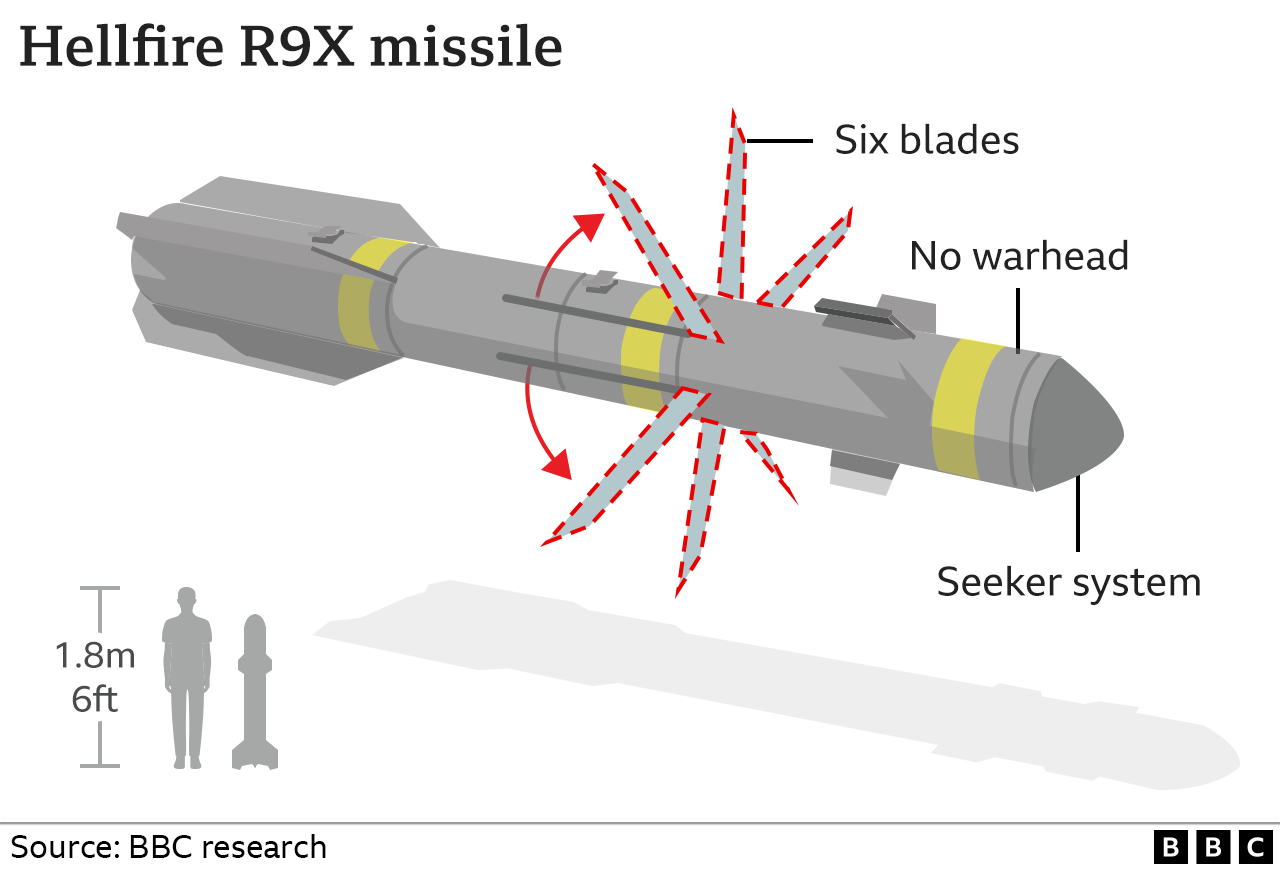
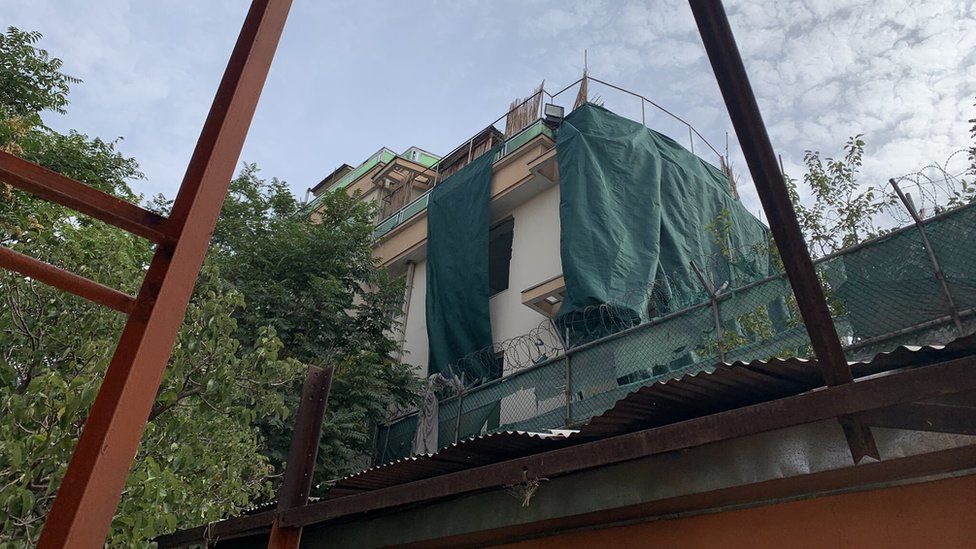
The strike occurred at 9:48 p.m. Eastern time on Saturday, according to a senior administration official who briefed reporters on the operation. A drone fired two Hellfire missiles at Zawahiri as he stepped onto the balcony of a safe house in Kabul, where he had been living with members of his family, the official said.

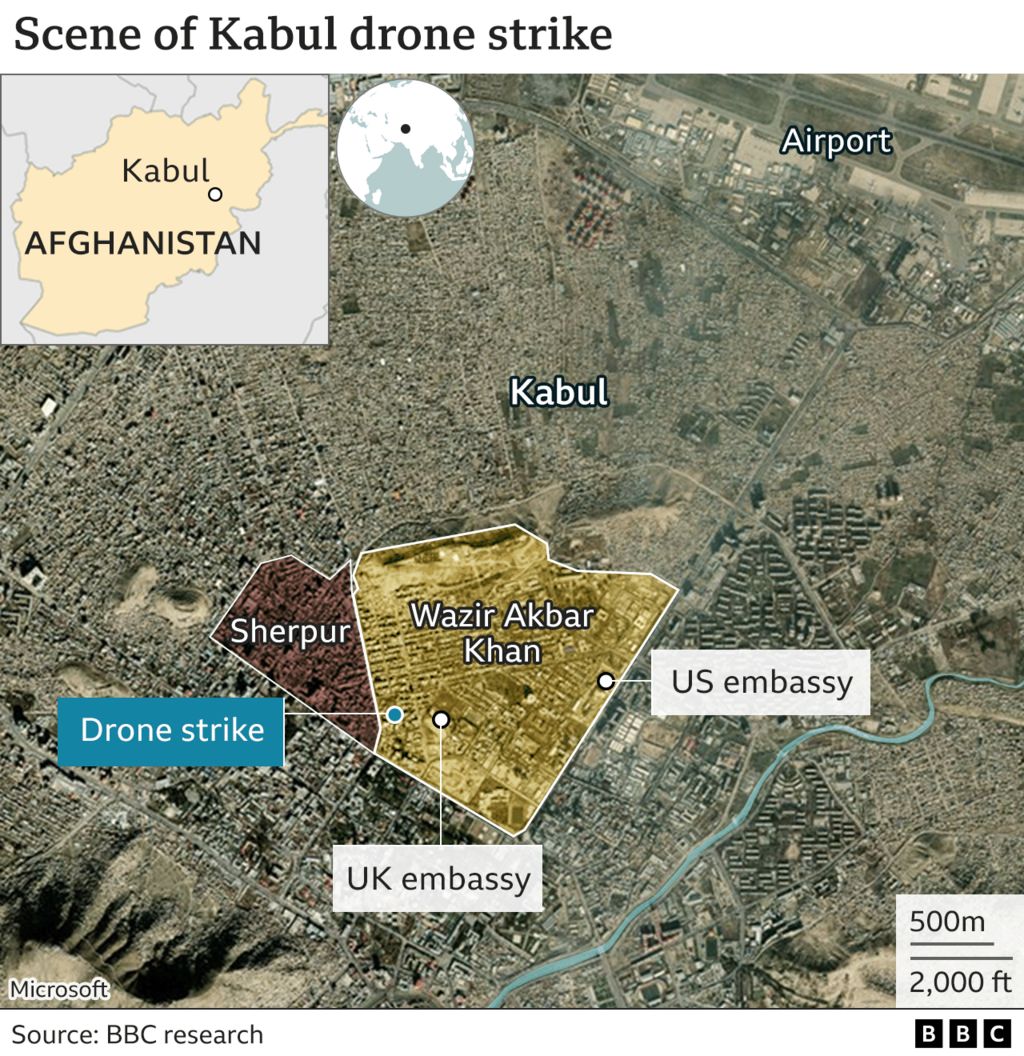
A loud blast was heard in the Shirpur neighborhood in central Kabul. The district, long a derelict area owned by the Afghan Defense Ministry, was converted into an exclusive residential area of large houses in recent years, with senior Afghan officials and wealthy individuals owning mansions there.
A few blocks away from the site, residents and shopkeepers spoke openly Tuesday morning about hearing the powerful blast. Some said they had been frightened by the roar and the ground shaking, while others said they had long been accustomed to such attacks during years of war.
“All the children ran away from the sound. We hadn’t heard anything like it since the old government was in charge,” said Haq Asghar, a retired army officer chatting outside a hardware shop. He said that Shirpur was tightly controlled by the Taliban, and that anyone occupying a house or shop had to provide detailed documents and information.
“Security is very good now. They definitely don’t let strangers settle in here,” he said.
Shirpur is divided between an older section of modest homes and shops, which is open to traffic, and a high-security section of ornate modern mansions, which is heavily guarded and closed to traffic. The house reportedly occupied by Zawahiri and his family appeared to be located in the secure section, behind a large bank and several guarded alleys lined with government compounds.
The intelligence community had tracked Zawahiri to the safe house and spent months confirming his identity and developing a “pattern of life,” tracking his movements and behavior, the official said. Intelligence personnel also constructed a model of the safe house, which was used to brief Biden on how a strike could be carried out in such a way that it lessened the chances of killing any other occupants or civilians, the official said, adding that intelligence agencies have concluded that Zawahiri was the only person killed in the strike.
“The United States continues to demonstrate its resolve and capacity to defend Americans from those who seek to do it harm,” Biden said, making it “clear again [that] no matter how long it takes, no matter how you hide … the United States will find you and seek you out.”
Senior administration national security officials were briefed in early April on the information that Zawahiri was believed to be living in the house, which he never left, the official said.
Biden received updates throughout May and June, and on July 1, he was briefed in the White House Situation Room by key Cabinet members and advisers, including CIA Director William J. Burns, Director of National Intelligence Avril Haines, National Counterterrorism Center Director Christine Abizaid and national security adviser Jake Sullivan, the official said.
The president met again with his top advisers on July 25 and continued to press the intelligence agencies on how they planned to conduct a strike with minimal civilian casualties, the official said. All his advisers “strongly recommended” the strike, which Biden then authorized, the official said.
Senior members of the Haqqani Taliban faction were also aware that Zawahiri was living in the house and took steps after the strike to conceal his presence, the official said, calling the terrorist leader’s presence in Kabul a violation of the Doha Agreement signed between the United States and the Taliban in 2020.
The agreement leading to the U.S. withdrawal from Afghanistan included a Taliban pledge not to allow terrorist groups with international aims to operate within their territory and to break all relations with those groups. While the Islamic State has been growing within Afghanistan and has claimed frequent attacks against the Taliban and civilian targets, al-Qaeda appears to retain a strong relationship with the Taliban government.
Zabihullah Mujahid, the chief Taliban spokesman, confirmed the drone strike early Tuesday, saying it had been “carried out by US unmanned planes” and had “struck a residential house in the Shirpur area of Kabul.”
In Shirpur on Tuesday morning, many people were confused about the source of the strike, which Taliban authorities initially had called a rocket attack that had not injured or killed anyone. Some blamed it on next-door Pakistan, and others had heard rumors that the Americans were behind it. But only a handful knew the strike had been announced by Biden in Washington.
“I heard Joe Biden did it,” said a man named Abdul Wali, who was changing money at a sidewalk stand. “This means Afghanistan still belongs to America. They can do whatever they want. If they can do a drone strike in the city, it means they are still in charge.”
Nobody in the community was willing to express an opinion about al-Qaeda, but several said they were concerned that the attack would spark a new round of violence.
“We have had so many years of war, and things were just beginning to settle down,” said Syed Agha, a jobless schoolteacher selling vegetables from a cart. “The conflict is past, and no one should have the right to violate our sovereignty. An attack like this could badly affect our future.”
In a tweet and an online statement in Afghan Pashto, Mujahid said the Taliban government “strongly condemned the attack,” terming it a “violation of international norms and the Doha peace deal.”
Zawahiri, whose face was familiar to millions of Americans from his videotaped diatribes against the United States, played an important role in turning al-Qaeda into a more lethal and ambitious terrorism organization, according to many of the investigators who hunted its leadership for decades. By merging his Egyptian-centric organization with bin Laden’s, the group became a far more dangerous and global terrorism group, analysts said. Zawahiri was indicted on a charge of the bombings of U.S. embassies in Kenya and Tanzania in 1998, attacks that first highlighted the growing threat from al-Qaeda.
Both bin Laden and Zawahiri escaped U.S. forces in Afghanistan in late 2001 after the 9/11 attacks, and Zawahiri’s whereabouts had long been a mystery. Bin Laden was killed in a raid by U.S. forces in Pakistan in 2011.
After bin Laden’s death, Zawahiri became the figurehead leader of al-Qaeda, but he was a hunted man in charge of a decimated organization. Lacking bin Laden’s loyal following, Zawahiri tried to command far-flung terrorist groups that often ignored his decrees and rejected his advice. In particular, he was overshadowed by the rise of the Islamic State and its bloody dominion for several years over parts of Syria and Iraq.
But with much of the group’s original leadership captured or killed, Zawahiri was perhaps the most visible reminder of al-Qaeda’s grim legacy.
“I just got chills up and down my spine,” said Charles G. Wolf, whose wife was killed at the World Trade Center in the terrorist attacks, when he learned about the U.S. strike. “It’s great to hear … I’m sure there will be someone else to step in his shoes, but I think it sends a signal that we are still going after terrorists regardless of politics.”
In a report issued last month, U.N. analysts said Zawahiri had been “confirmed to be alive and communicating freely,” with “regular video messages that provided almost current proof of life.” It noted that his “increased comfort and ability to communicate” coincided with last year’s Taliban takeover of Afghanistan.
“Al-Qaeda is not viewed as posing an immediate international threat from its safe haven in Afghanistan because it lacks an external operational capability” from there, “and does not currently wish to cause the Taliban international difficulty or embarrassment,” the report said.
Both the United Nations and the U.S. intelligence community have assessed that the operational threat from al-Qaeda is now centered in its African and Middle East affiliates. “Al-Qaeda probably will gauge its ability to operate in Afghanistan under Taliban restrictions and will focus on maintaining its safe haven before seeking to conduct or support external operations from Afghanistan,” the Office of the Director of National Intelligence assessed this year.
A former member of al-Qaeda who later joined the Islamic State downplayed the significance of Zawahiri’s death, noting that he was barely visible in recent years.
“I’m sure Biden will try to make it sound as if it’s something big, but actually it’s not significant for us at all,” said the member of the Islamic State who spoke on the condition of anonymity to discuss the al-Qaeda leader. “Ayman al-Zawahiri became the emir after bin Laden, and now he is a shaheed [martyr]. And that’s it for us. The significant question will be: Who will become the new leader now?”
In the wake of the strike on Zawahiri, the senior official said the administration warned the Taliban not to take any steps that would harm Mark Frerichs, a 60-year-old American civil engineer and Navy veteran who was kidnapped in Afghanistan in January 2020. The only known remaining American hostage in Afghanistan, he is believed to have been captured by the Haqqani network, a Taliban faction that during the Afghanistan war was based in Khost province, near the Pakistan border, and in Pakistan itself. Its leader, Sirajuddin Haqqani, is now interior minister in the Taliban government in Kabul.
The Taliban has denied any knowledge of Frerichs’s whereabouts. The director of a contracting company called International Logistical Support, he had traveled to Afghanistan numerous times during the U.S. military presence there. In May 2020, the FBI offered a $1 million reward for information leading to his release or rescue.
In April, the New Yorker published information from what it said was a video from a source who could not be verified, showing Frerichs pleading for his release. In it, he states that it was being recorded on Nov. 28, 2021. The magazine said Frerichs’s sister had confirmed that it was her brother.
Frerichs’s family has criticized both the Trump and Biden administrations, the former for signing a peace deal with the Taliban that did not mention him and the latter for implementing it.
Constable reported from Kabul. Ellen Nakashima, Devlin Barrett and Olivier Knox in Washington contributed to this report.