 Afghanistan Peace Campaign
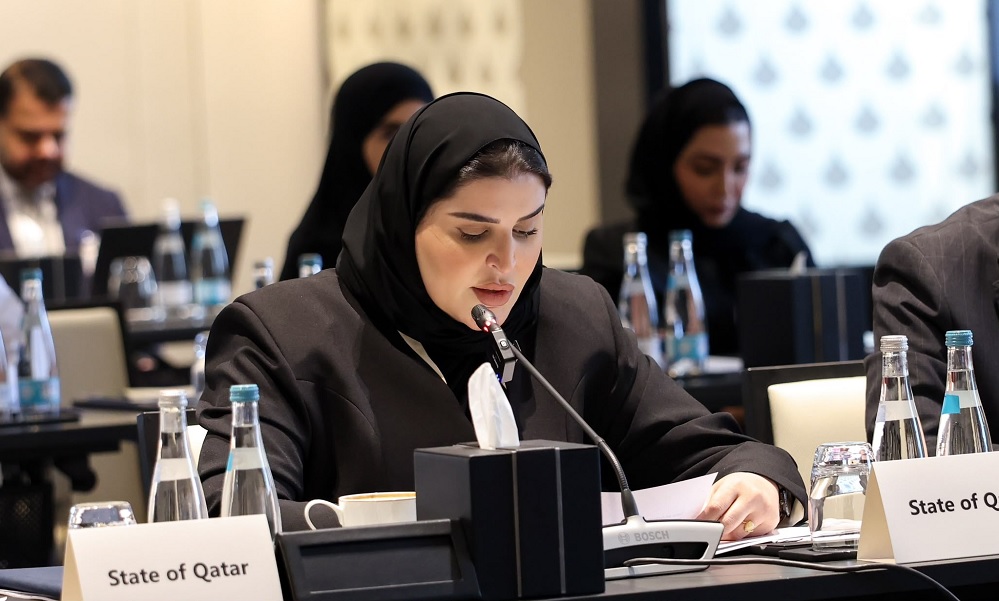


Qatar has called for a shift from emergency humanitarian assistance toward economic recovery and private-sector development in Afghanistan, stressing the need for sustained international engagement to build a more stable future for the country.
Qatar’s Minister of State for International Cooperation, Maryam bint Ali bin Nasser Al Misnad, made the remarks Tuesday at the Afghanistan Coordination Group meeting in Doha.
Al Misnad said Qatar has provided and pledged nearly $150 million over the past decade for humanitarian and development projects in Afghanistan, particularly in health care, education and emergency response.
She warned that severe humanitarian needs and economic difficulties continue to affect Afghan families, while the return and displacement of people are placing additional pressure on public services and livelihoods. She said urgent needs remain in food security, health care, nutrition, education and access to water.
The minister stressed that assistance must be delivered transparently, with accountability and in line with humanitarian principles, with particular attention to vulnerable groups, including women and young people.
She also said Afghanistan’s future should be shaped through a comprehensive political process led by Afghans themselves, with respect for the country’s sovereignty, independence and territorial integrity.
Al Misnad highlighted Qatar’s role in facilitating dialogue on Afghanistan since the launch of the Doha peace process in 2013, as well as its support for initiatives such as the Solutions Strategy for Afghan Refugees and the Afghanistan Humanitarian Fund.
She said the UN-led Doha Process provides a platform for political engagement and practical cooperation, highlighting counter-narcotics and private-sector development as areas where international efforts could deliver tangible results.
Al Misnad urged participants to maintain Afghanistan’s place on the international agenda, establish clear priorities and renew their commitments to the Afghan people, emphasizing that technical cooperation should complement broader political efforts.